How Much Should Window Tinting Cost?
April 1, 2026
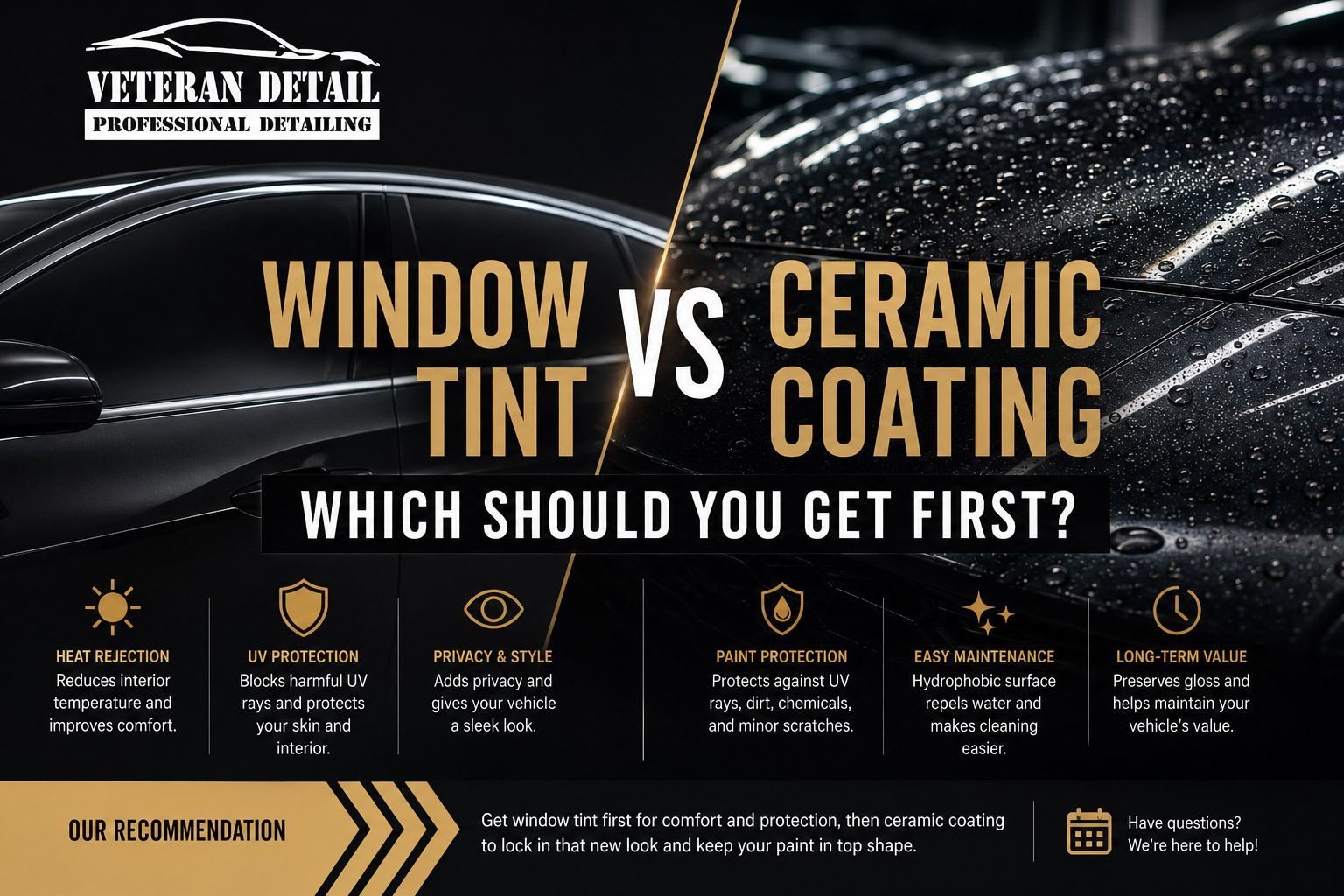
Most people start thinking about window tinting for one simple reason: heat.
You get into your car after it’s been parked in the sun, and the seats are scorching, the steering wheel feels untouchable, and the AC takes forever to cool things down. Add glare in your eyes while driving and fading interior materials, and suddenly tinting stops feeling like a cosmetic upgrade and starts feeling practical.
But once you start calling around, the prices can be confusing fast.
One shop says $120. Another quotes $350. A premium installer might charge $600 or more.
So what’s actually normal — and what should you realistically pay?
This guide breaks down
typical window tinting costs, what affects pricing, what different film types mean, and what drivers in
American Fork, Utah should expect when comparing quotes.
The Short Answer: What Most People Pay
If you just want a ballpark figure before diving deeper, here’s what most vehicles cost for professional tint installation.
| Tint Type | Typical Price Range |
|---|---|
| Basic dyed film | $120–$200 |
| Carbon film | $200–$350 |
| Ceramic film | $350–$600+ |
| Windshield/extra add-ons | $100–$250 extra |
For most daily drivers, $250–$450 is the common range for quality tint that balances performance and value.
Now let’s talk about why prices vary so much.
What Are You Actually Paying For?
A lot of people assume tint pricing is just about the film itself. In reality, you’re paying for three things:
- Film quality
- Installation skill
- Time and precision
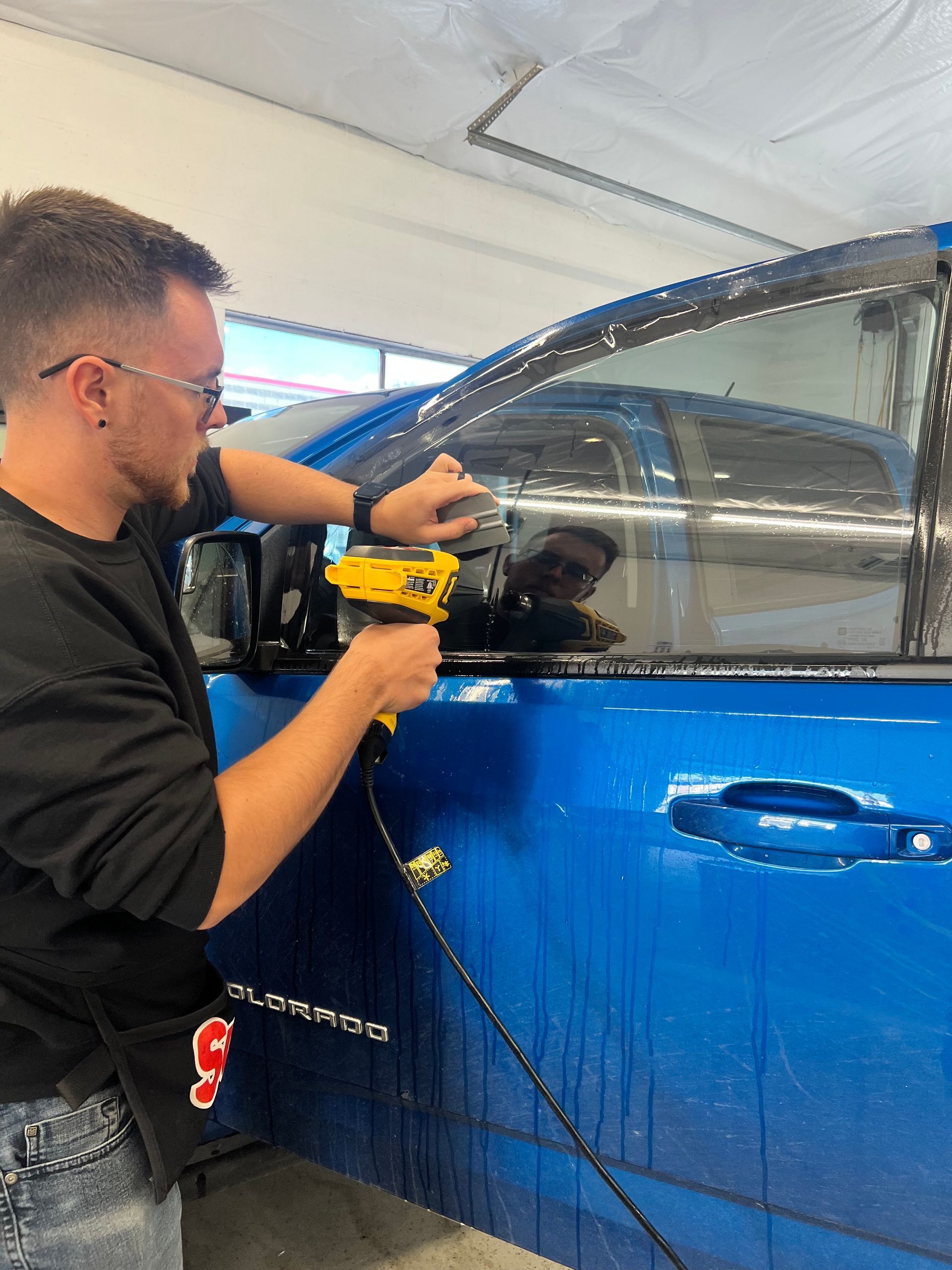
Window tint isn’t just “stick it on and go.” Proper installation requires clean indoor conditions, careful cutting, and bubble-free application. A rushed job shows immediately.
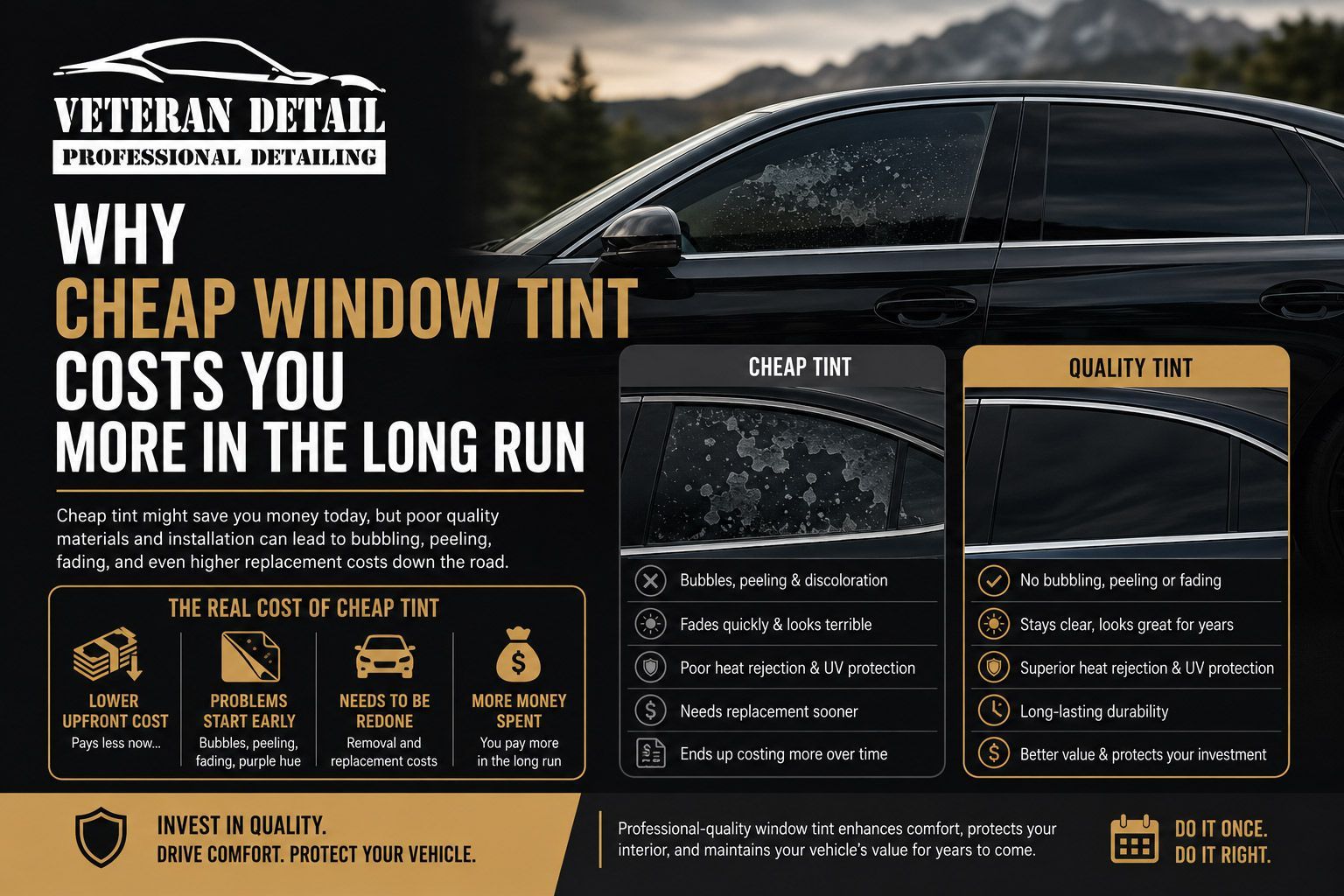
Cheap tint might look fine on day one — but peel, fade, or turn purple within a year.
Better tint lasts years without problems.
Why Window Tint Prices Vary So Much
When two shops quote wildly different numbers, it usually comes down to materials and workmanship — not random pricing.
Here’s what drives the cost.
Type of Film
This is the biggest factor.
Not all tint blocks heat the same way.
Dyed Film (lowest cost)
This is the entry-level option. It darkens windows but doesn’t block much heat.
Pros:
- Cheapest
- Improves privacy
Cons:
- Fades faster
- Less heat rejection
- Can turn purple over time
Good if budget is your only concern.
Carbon Film (mid-range)
Carbon tint blocks more heat and doesn’t fade like dyed film.
Pros:
- Better heat control
- Matte black finish
- Longer lifespan
Cons:
- Slightly higher cost
This is often the sweet spot for everyday drivers.
Ceramic Film (premium)
Ceramic tint uses advanced technology to block infrared heat and UV rays without needing extreme darkness.
Pros:
- Best heat rejection
- Maximum comfort
- No signal interference
- Longest lifespan
- Clear visibility
Cons:
- Highest price
For hot Utah summers, ceramic makes a noticeable difference inside the car.
Vehicle Size and Window Count
More glass equals more work.
A compact sedan costs less than:
- SUVs
- Trucks
- Vans
- Vehicles with large rear windows or sunroofs
Extra windows simply add time and material.
Installer Skill and Environment
Professional tinting requires:
- Dust-free indoor space
- Precision cutting
- Clean edges
- Bubble-free finish
Low-cost installers often work quickly or outdoors, which can lead to:
- Dirt trapped under film
- Peeling edges
- Creases
- Shorter lifespan
Quality installation costs more because it takes longer and requires better conditions.
Warranty Coverage
Better tint jobs usually include warranties that protect against:
- Bubbling
- Peeling
- Fading
- Discoloration
Cheap installs often have little or no coverage.
Long-term reliability is built into the price.
Typical Tint Costs by Vehicle Type
Here’s a more practical breakdown based on what you drive.
| Vehicle Type | Carbon Tint | Ceramic Tint |
|---|---|---|
| Sedan | $200–$300 | $350–$500 |
| SUV | $250–$350 | $400–$600 |
| Truck | $250–$350 | $400–$600 |
| Full-size/3-row | $300–$450 | $500–$700+ |
These numbers reflect professional installation, not DIY kits.
Is Window Tint Worth the Cost?
For many drivers, absolutely — especially in places like American Fork where summer heat and sun exposure are strong.
Here’s what you actually gain.
Heat Reduction
Good tint can reduce interior temperatures significantly, meaning:
- Less AC use
- More comfort
- Cooler seats and surfaces
UV Protection
Quality films block up to 99% of UV rays, protecting:
- Skin
- Dashboards
- Leather
- Upholstery
Glare Reduction
Less eye strain while driving in bright conditions.
Privacy and Security
Harder for others to see valuables inside.
Interior Longevity
Less fading and cracking over time.
For most people, those benefits easily justify the cost.
DIY Tint vs Professional Installation
DIY kits look cheap at first glance, often under $60. But results rarely match professional work.
Common DIY problems include:
- Air bubbles
- Uneven cuts
- Dust contamination
- Peeling edges
- Poor heat performance
Fixing mistakes usually costs more than just doing it right the first time.
Professional installation saves time, frustration, and rework.
How to Choose the Right Tint Level
Beyond price, you’ll also choose darkness (measured in VLT %).
Before selecting, check Utah tint laws to stay compliant.
Many drivers choose:
- Lighter front windows for visibility
- Darker rear windows for privacy
- Ceramic film for better heat rejection without going extremely dark
Balancing comfort, legality, and appearance is key.
When Is the Best Time to Tint?
You don’t need to wait for summer.
In fact, many shops recommend installing tint:
- Before peak heat season
- On newer vehicles to protect interiors early
- Right after purchasing a car
The sooner you install, the sooner you start protecting your interior.
FAQs About Window Tinting Costs
How much should I expect to pay for quality tint?
Most drivers spend between $250 and $450 for professional mid-range or ceramic tint.
Why is ceramic tint more expensive?
It blocks more heat, lasts longer, and performs better without interfering with electronics.
How long does installation take?
Usually two to four hours depending on vehicle size.
How long does tint last?
Carbon and ceramic films often last 5–10+ years with proper care.
Is cheap tint worth it?
It may save money short-term but often fades or peels sooner, costing more to redo.
Conclusion
Window tinting costs vary based on film type, vehicle size, and installation quality, but most drivers should expect to pay $250 to $600 for durable, professional results. Spending a little more upfront for better film and careful installation usually means cooler temperatures, longer lifespan, and fewer headaches later.
For vehicle owners around American Fork looking for clean installation and long-term performance, many choose
Veteran Detail for window tinting that focuses on comfort, durability, and a professional finish.