Which Detailing Package Is Best for Classic Cars?
May 1, 2026
Detailing a daily driver is straightforward.
Wash it. Clean the interior. Maybe polish the paint. Done.
But classic cars aren’t daily drivers — and they shouldn’t be treated like one.
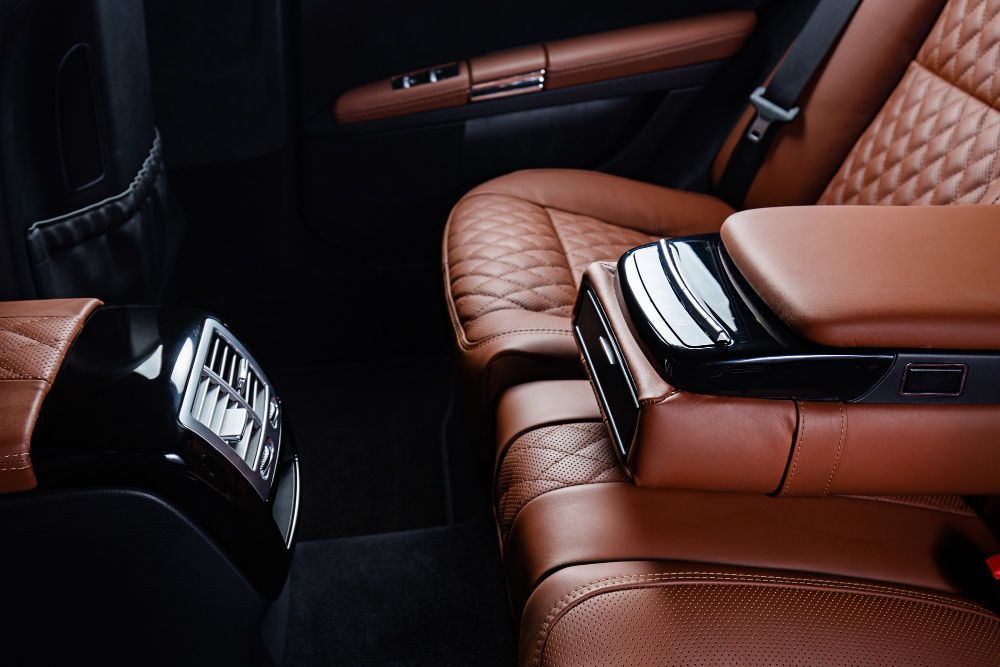
Older paint systems, delicate trim, vintage interiors, and irreplaceable parts mean the wrong detailing approach can actually cause damage. A fast “express detail” or aggressive polishing method that’s fine for a modern vehicle can permanently harm a classic.
So the real question isn’t just which package costs more or less.
It’s:
Which detailing approach is safest and most appropriate for a classic car?
This guide walks through how classic vehicles should be detailed differently, what services matter most, and how owners around American Fork, Utah can choose the right level of care.
Why Classic Cars Need a Different Type of Detailing
Modern vehicles are built with tough clear coats, synthetic materials, and replaceable parts.
Classic cars are not.
Many have:
- Single-stage paint
- Thin or older clear coats
- Chrome instead of coated trim
- Real leather or vinyl
- Older plastics that dry or crack
- Hard-to-source or original components
That changes everything.
Detailing becomes less about speed and more about preservation.
The goal isn’t aggressive correction or heavy chemicals.
It’s careful cleaning and protection without removing material or causing wear.
Step One: Stop Thinking in “Basic vs Premium” Packages
Most detailing menus are designed for modern cars:
- Basic wash
- Full detail
- Paint correction
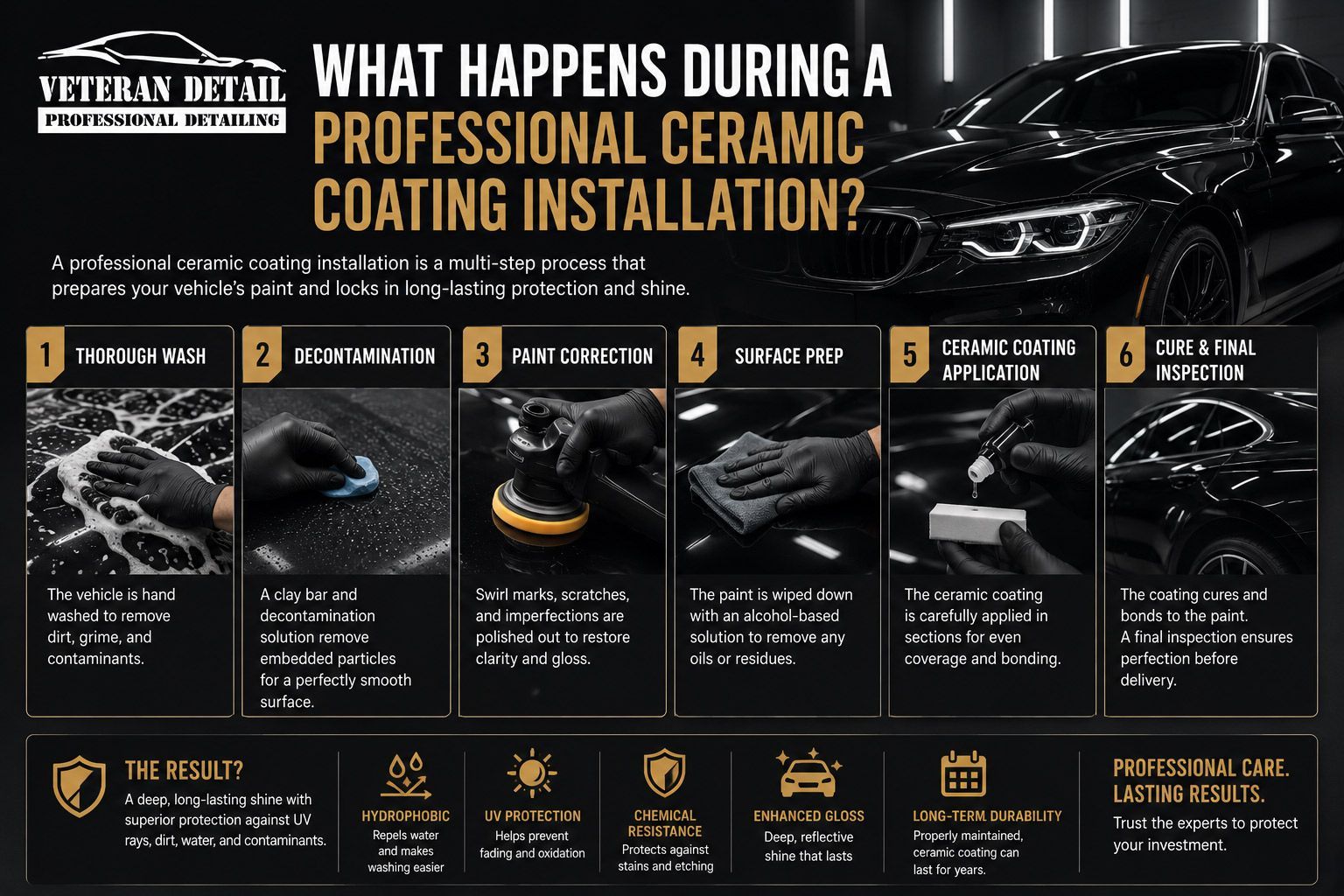
- Ceramic coating
Classic cars don’t fit neatly into those categories.
Instead of picking the most expensive package, it’s smarter to choose based on condition and originality.
Think in terms of:
- preservation
- gentle cleaning
- minimal correction
- protective finishes
Not “how shiny can we make it?”
If Your Classic Is Mostly Stored and Already Clean
Some classics rarely leave the garage. They’re already well-maintained and just collect light dust.
In this case, you don’t need heavy services.
A maintenance-focused detail is usually best.
This typically includes:
- Gentle hand wash
- Soft drying methods
- Light interior dust removal
- Chrome polishing
- Protective wax or sealant
Aggressive polishing or deep correction would be unnecessary and could remove valuable original paint.
For garage-kept vehicles, less is more.
If Your Classic Is Driven Occasionally
Weekend cruisers and show cars that see occasional road use usually need more than a quick wash but still shouldn’t get harsh treatment.
This is where a mid-level preservation detail makes the most sense.
Instead of heavy correction, the focus is on refreshing and protecting.
Common services might include:
- Careful hand wash and decontamination
- Light machine polish (only if needed)
- Interior conditioning
- Leather or vinyl treatment
- Chrome and trim restoration
- High-quality wax or sealant
The idea is to enhance gloss without thinning older paint or overworking delicate materials.
For many classic owners, this is the ideal balance.
If the Paint Looks Dull, Oxidized, or Swirled
Older finishes sometimes lose clarity or develop oxidation over time.
This is where owners are tempted to choose aggressive paint correction — but that can be risky on classics.
Many older vehicles have:
- single-stage paint (no clear coat)
- thinner paint layers
- previous resprays of unknown thickness
Heavy compounding can permanently remove too much paint.
Instead, a gentle correction approach is safer.
This usually means:
- paint thickness checks
- test spots first
- light polishing only
- minimal material removal
The goal is improvement, not perfection.
Preserving original paint is often more valuable than chasing a flawless finish.
If the Interior Is Original or Vintage
Interior care matters just as much.
Classic interiors often use materials that react poorly to modern cleaners.
For example:
- old leather can dry and crack
- vintage vinyl can fade
- older plastics can become brittle
- cloth seats may be delicate
Deep steam or harsh chemicals can cause damage.
A proper detailing approach focuses on:
- gentle cleaners
- conditioning treatments
- minimal moisture
- careful handling
Protection and preservation are more important than aggressive scrubbing.
Services That Usually Make Sense for Classic Cars
Instead of choosing a “package,” it helps to think about individual services that protect value.
These tend to be the most beneficial:
- Hand washing only (no automatic washes)
- Light polishing when necessary
- High-quality wax or sealant
- Chrome and trim care
- Interior conditioning
- Careful engine bay cleaning
- Dust-safe storage prep
Notice what’s missing: heavy compounding, rushed services, or harsh chemicals.
Those typically don’t belong on classics.
Services to Be Cautious With
Some popular modern services may not always be ideal.
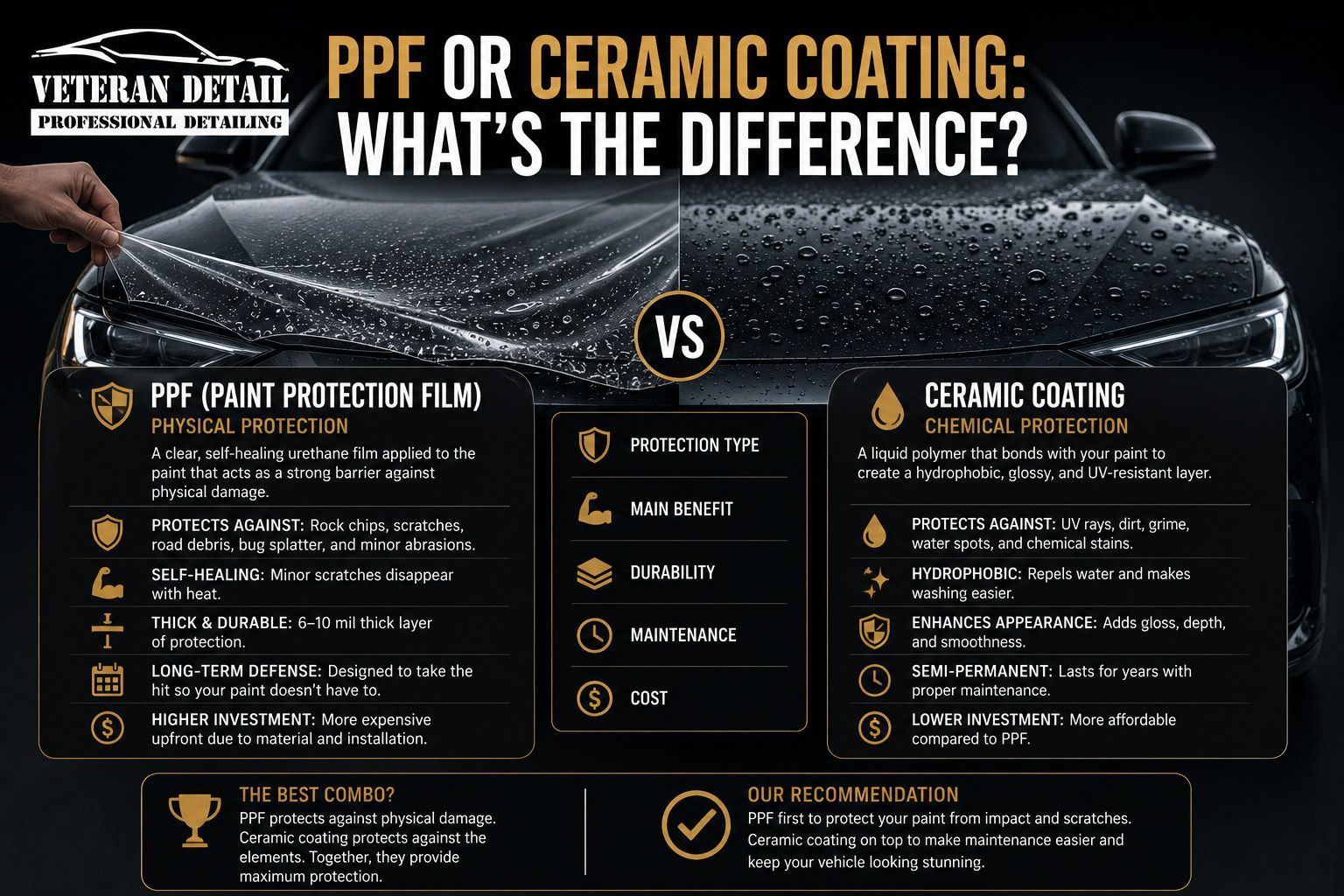
Ceramic coatings, for example, can be great — but only if the paint is stable and properly prepared. On very old or thin paint, they might not be the right choice.
Similarly, aggressive multi-step paint correction or strong degreasers can cause irreversible wear.
When dealing with a classic, always prioritize conservative methods over dramatic results.
How Often Should a Classic Be Detailed?
Classic vehicles usually don’t need frequent heavy detailing.
A practical approach looks like:
- Light cleaning after drives
- Protective waxing every few months
- Preservation detail once or twice per year
Consistent gentle care prevents the need for major restoration later.
FAQs
Should classic cars get paint correction?
Only lightly and carefully. Heavy correction can remove too much original paint.
Is ceramic coating safe for classics?
Sometimes, but it depends on paint condition and originality. A professional inspection is important first.
Are automatic car washes safe?
No. They often create scratches and can damage trim.
How do you protect chrome and metal parts?
Gentle polishing and protective sealants help prevent oxidation and corrosion.
Is professional detailing worth it for classics?
Yes. Proper care helps preserve both appearance and long-term value.
Conclusion
The best detailing package for a classic car isn’t the most aggressive or expensive one — it’s the one that protects what makes the vehicle special. Gentle cleaning, light correction, and careful preservation usually deliver better long-term results than heavy restoration methods.
For classic car owners around American Fork who want thoughtful, detail-focused care rather than rushed service, many trust
Veteran Detail to handle their vehicles with the patience and precision older finishes require.