Is PPF Worth It on a Daily Driver in Utah?
June 1, 2026
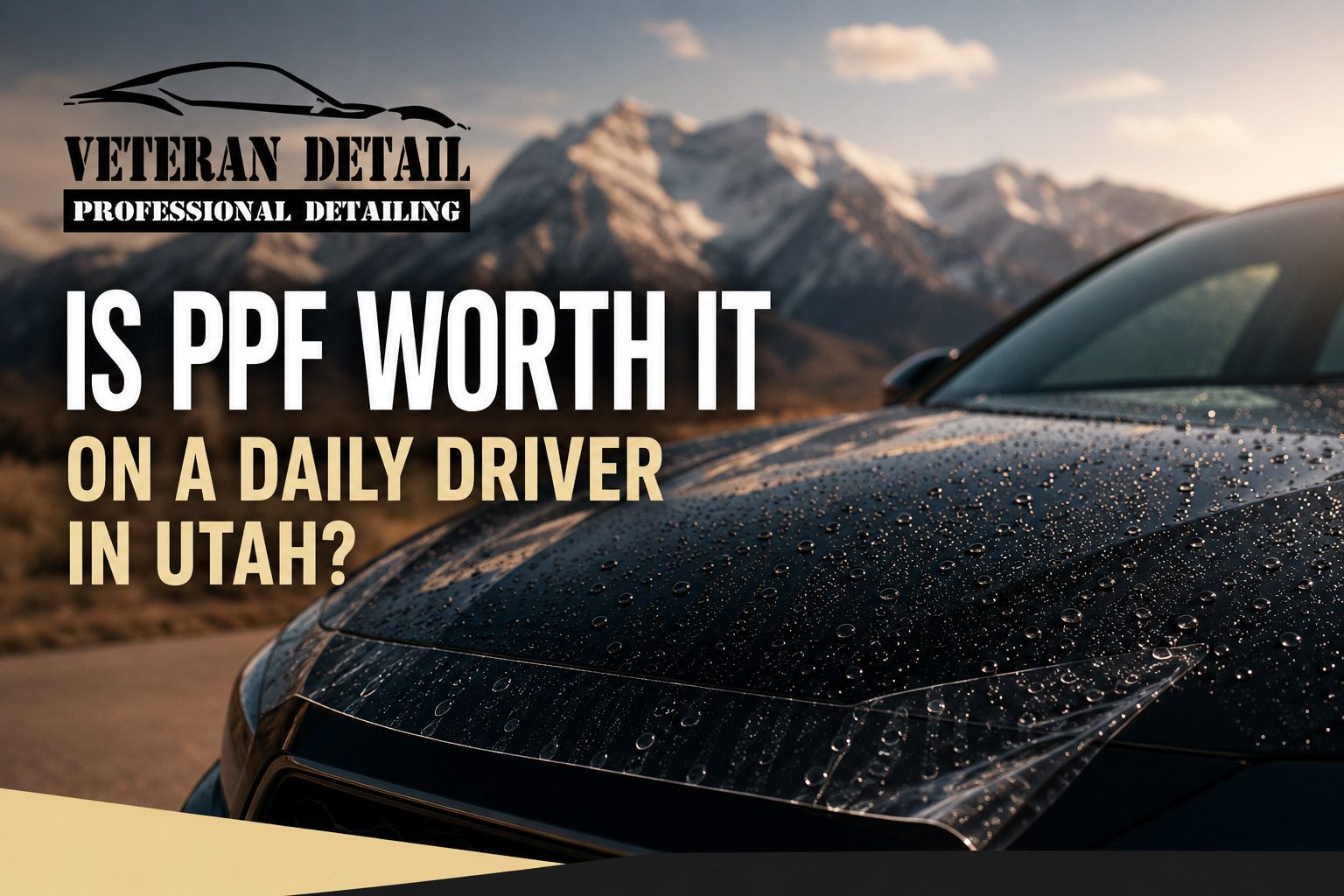
You drive the same routes every day—Main Street, the I-15 corridor, canyon shortcuts, grocery runs. Your vehicle takes a beating without you ever noticing until the paint tells the story: chips along the hood edge, a cloudy patch above the front wheel arch, micro-scratches from gravel kicked up on the freeway. If you've been wondering whether paint protection film is a smart investment for a car you drive daily rather than garage-keep on weekends, you're asking exactly the right question—and the answer is almost always yes.
What Paint Protection Film Actually Does for Everyday Vehicles
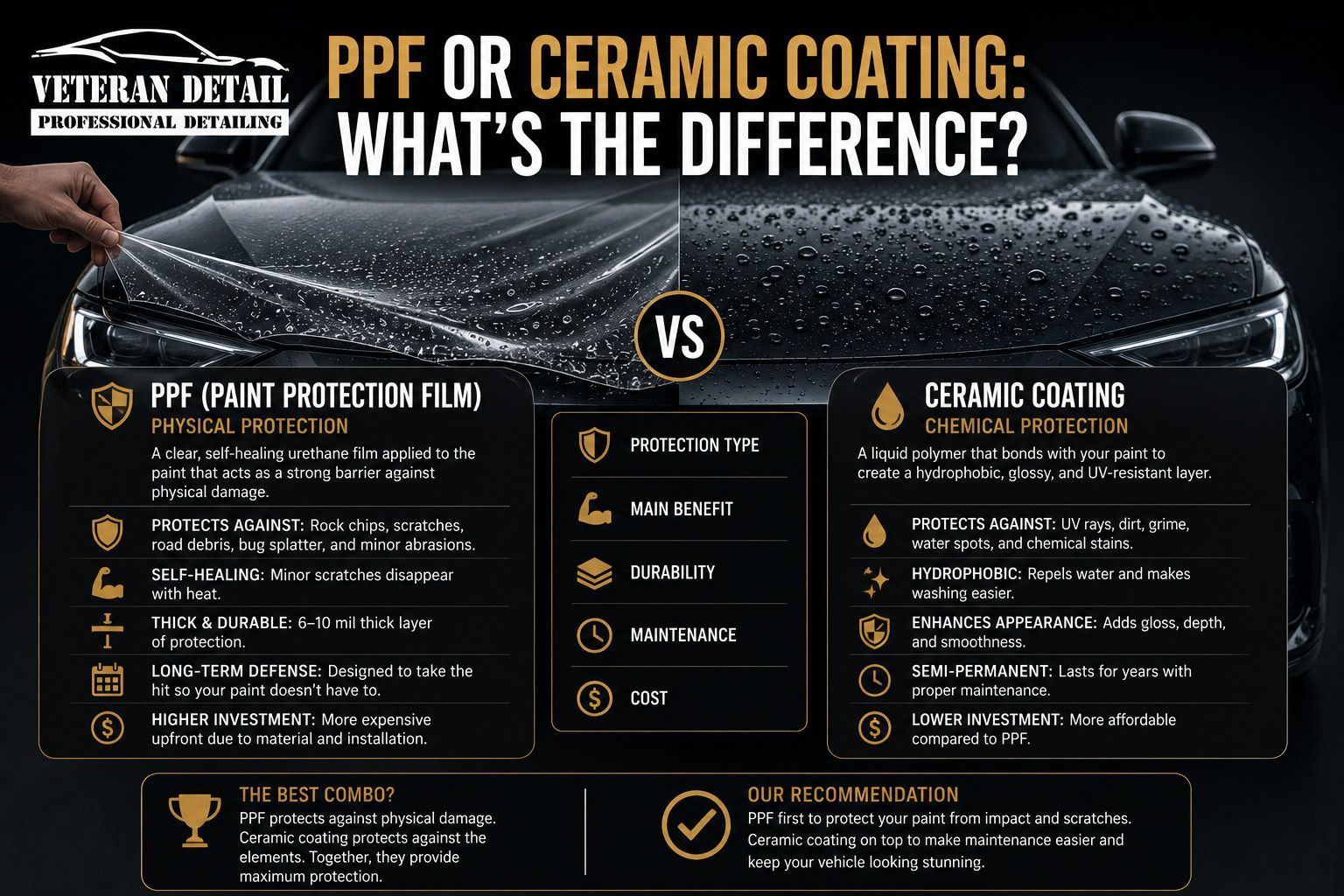
Paint protection film, commonly called PPF, is a thermoplastic urethane film bonded to the exterior surfaces of your vehicle. It acts as a sacrificial barrier between your paint and the hazards that hit it every time you leave the driveway. On a daily driver, those hazards are relentless: road debris, highway gravel, insects, bird droppings, UV exposure, and automatic car washes with abrasive brushes.
High-quality PPF has self-healing properties—minor surface scratches disappear with heat from the sun or warm water. It also resists staining from bug acids and tree sap, which can etch paint permanently if left untreated. The film is optically clear, so it doesn't change the appearance of your vehicle unless you choose a matte or satin finish option.
For a daily driver in American Fork, UT or anywhere along the Wasatch Front, the value proposition is straightforward: you're putting your paint through conditions that cause real, cumulative damage. PPF slows or stops that damage without requiring you to change how you drive.
Utah Roads Are Especially Hard on Paint
Utah's driving environment creates specific paint hazards that make PPF more valuable here than in many other states. The combination of geography, climate, and road maintenance creates conditions that accelerate paint damage year-round.
Here are the primary factors that make Utah roads especially rough on vehicle paint:
- Canyon roads with loose gravel and rock debris kicked up by vehicles ahead
- Highway construction zones with aggregate and road base scattered across lanes
- Intense UV exposure at high elevation—UV index in Utah frequently exceeds 10 in summer
- Freeze-thaw cycles that cause road surface deterioration and loose material
- Winter road treatment with sand and gravel that becomes projectile debris in spring
- Low humidity that dries and cracks paint faster without proper protection
Drivers who commute on I-15, US-6, or any route through the canyon systems between Utah and Salt Lake counties deal with all of these issues regularly. PPF turns what would be hundreds of dollars in paint touch-ups into a non-issue.
Daily Driver PPF vs. Weekend or Show Car PPF
PPF coverage decisions look different depending on how a vehicle is used. A weekend car rarely sees highway driving, which means the front-impact hazards are less frequent. A daily driver faces those conditions every day, which shifts the cost-benefit calculation significantly.
The table below compares typical coverage considerations for daily drivers versus vehicles driven less frequently:
| Daily Driver Considerations | Weekend/Show Car Considerations |
|---|---|
| Front hood and bumper face heavy daily debris exposure | Focus on appearance panels and lower rocker areas |
| Partial front packages often provide 80% of the protection value | Full vehicle wraps common to preserve collector value |
| ROI achieved faster due to daily wear accumulation | ROI tied to long-term resale or show value preservation |
| Self-healing film especially valuable for door handle scratches | Primary concern is UV and storage-related oxidation |
| Mirror covers and A-pillars benefit from daily protection | Headlight film critical for UV yellowing prevention |
How Much Coverage Does a Daily Driver Actually Need?
Full vehicle PPF wraps provide the most comprehensive protection but carry a higher upfront cost. For most daily drivers, a partial or full front package covers the areas that take the most damage and delivers the strongest return on investment. Coverage decisions should be based on your driving patterns, the age of your vehicle, and your long-term plans for it.
The most impactful coverage areas for a daily driver in American Fork, UT include the following:
- Full front bumper — the highest-impact surface for road debris
- Hood — protects the largest horizontal surface from chips and UV
- Front fenders — the leading edge is vulnerable to highway gravel
- Side mirrors — frequently struck by debris and car wash equipment
- Headlights — prevents UV yellowing without reducing visibility
- Roof leading edge — catches windblown debris at highway speeds
Frequently Asked Questions
Does PPF void my vehicle warranty?
No. PPF is a reversible surface application and does not affect manufacturer warranties. It can be removed without damaging factory paint when properly installed and removed by a professional.
How long does PPF last on a vehicle driven daily?
High-quality PPF typically lasts 7 to 10 years on a daily driver, depending on the film brand, installation quality, and environmental exposure. Professional-grade films from reputable manufacturers generally carry manufacturer warranties in this range.
Can PPF be applied to older vehicles with existing paint damage?
PPF should only be applied to properly prepared paint. Existing chips, scratches, or oxidation need to be corrected first. Applying film over damaged paint traps imperfections and can make them more visible. A paint correction step is often recommended before installation.
Will PPF yellow or discolor over time?
High-quality PPF includes UV inhibitors that prevent yellowing under normal conditions. Lower-quality films and older generation products were more prone to yellowing. Premium films used by professional installers are formulated to stay optically clear for the life of the film.
Is PPF worth it if I plan to sell the vehicle in two or three years?
Yes, and sometimes especially so. PPF preserves factory paint in near-original condition, which supports higher resale values and is an increasingly recognized selling point for used vehicles. Buyers familiar with PPF often view it as a premium feature rather than just a protective measure.
Conclusion
For daily drivers in Utah, paint protection film isn't a luxury—it's a practical defense against the specific road conditions that chip away at paint every single day. The investment makes sense precisely because the vehicle is driven regularly, which means the hazards are constant and the cumulative damage without protection adds up quickly. Whether you're protecting a new purchase from day one or preserving the finish on a vehicle you plan to keep long-term, PPF pays for itself in preserved paint condition and avoided repair costs. The team at Veteran Detail can assess your vehicle's high-impact areas and recommend the coverage that makes the most sense for how you actually drive. Reach out to start the conversation.