What Affects the Price of Paint Protection Film?
July 5, 2026
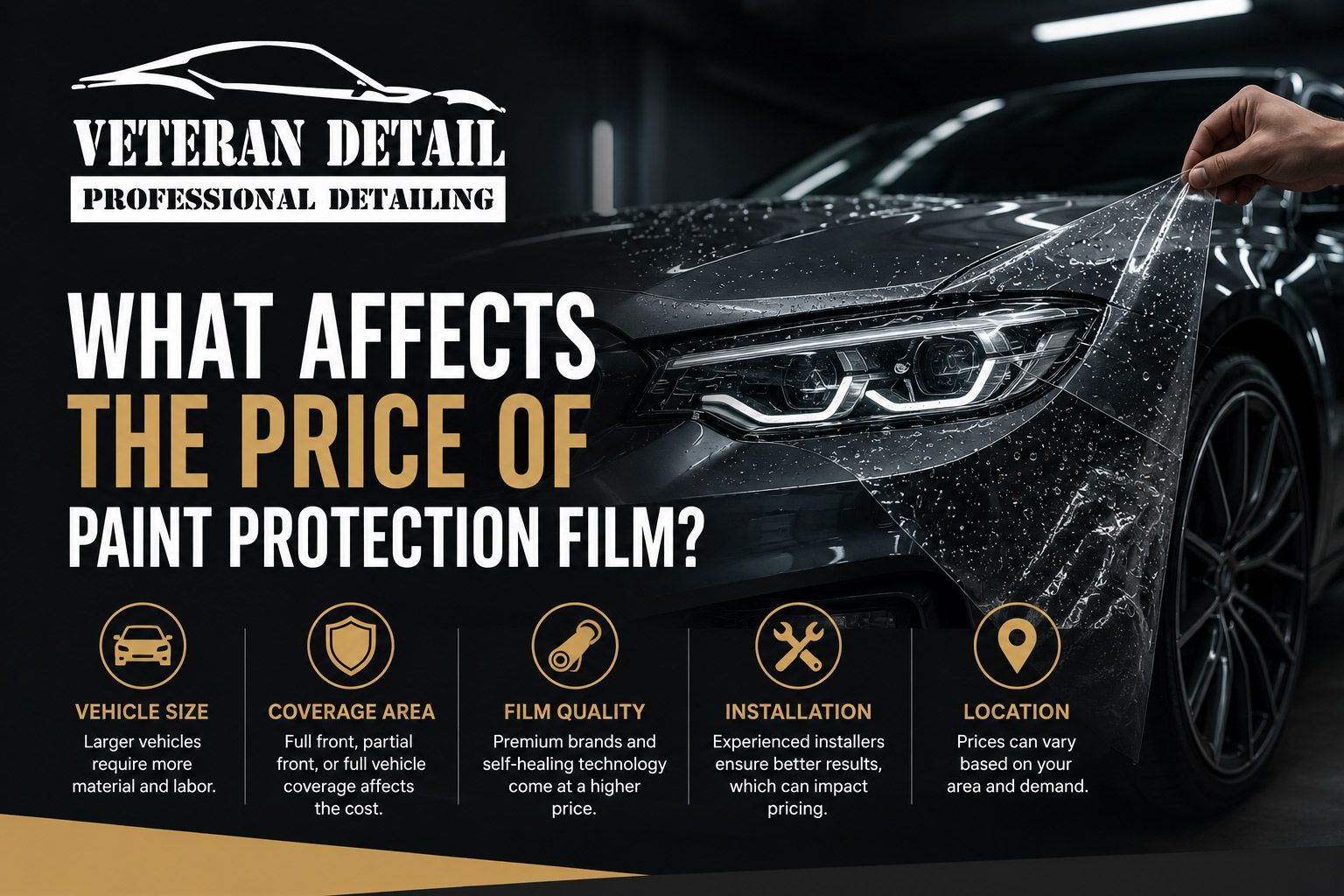
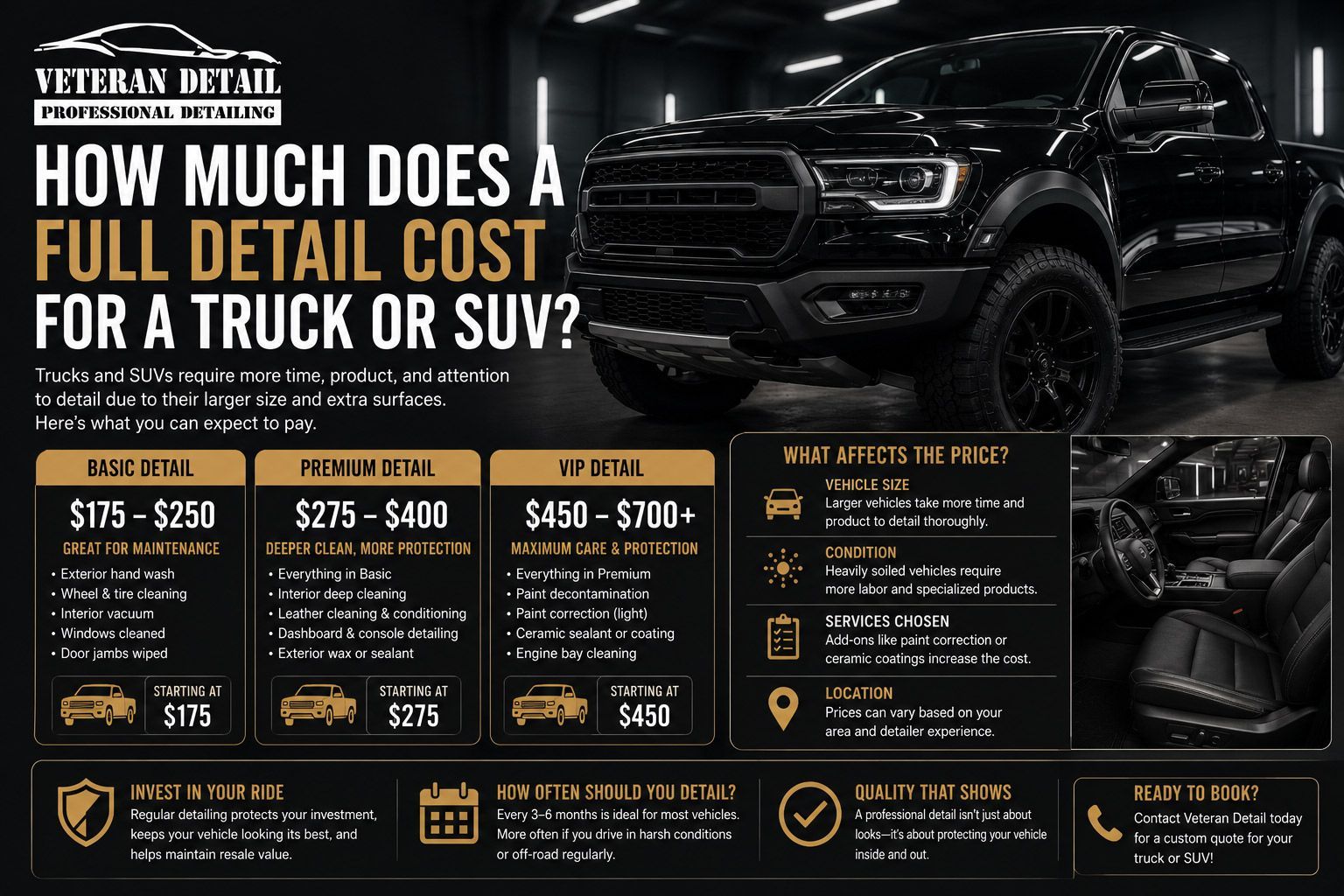
You asked for a quote on paint protection film and got a number you weren't expecting—either higher than you thought, or suspiciously lower than another shop. PPF pricing varies more than almost any other vehicle protection service, and it does so for specific, understandable reasons. Once you know what's actually driving the cost, you're in a much better position to evaluate quotes and make a decision that reflects real value rather than just the lowest number on a page.
Coverage Area: The Biggest Variable in PPF Pricing
The single most significant factor in PPF pricing is how much of the vehicle you're protecting. Film costs money per square foot, and labor time scales directly with coverage. A partial front package covering the leading edge of the hood, front bumper, and mirrors is a fundamentally different job than a full vehicle wrap.
Common coverage tiers and their approximate cost ranges for a standard passenger car in the American Fork, UT market look like this:
| Coverage Package | Approximate Cost Range |
|---|---|
| Headlights only | $150 – $300 |
| Partial front (bumper + leading hood edge) | $600 – $1,000 |
| Full front (bumper, full hood, fenders, mirrors) | $1,200 – $2,000 |
| Full front + rocker panels | $1,500 – $2,500 |
| Full vehicle wrap | $3,500 – $7,000+ |
| Custom high-impact zone packages | Priced by panel |
These ranges widen further based on the other variables described below. Coverage selection should be driven by your driving patterns—highway commuters benefit most from strong front coverage, while those concerned about parking lot damage may prioritize door panels and rocker protection.
Film Brand and Quality Tier
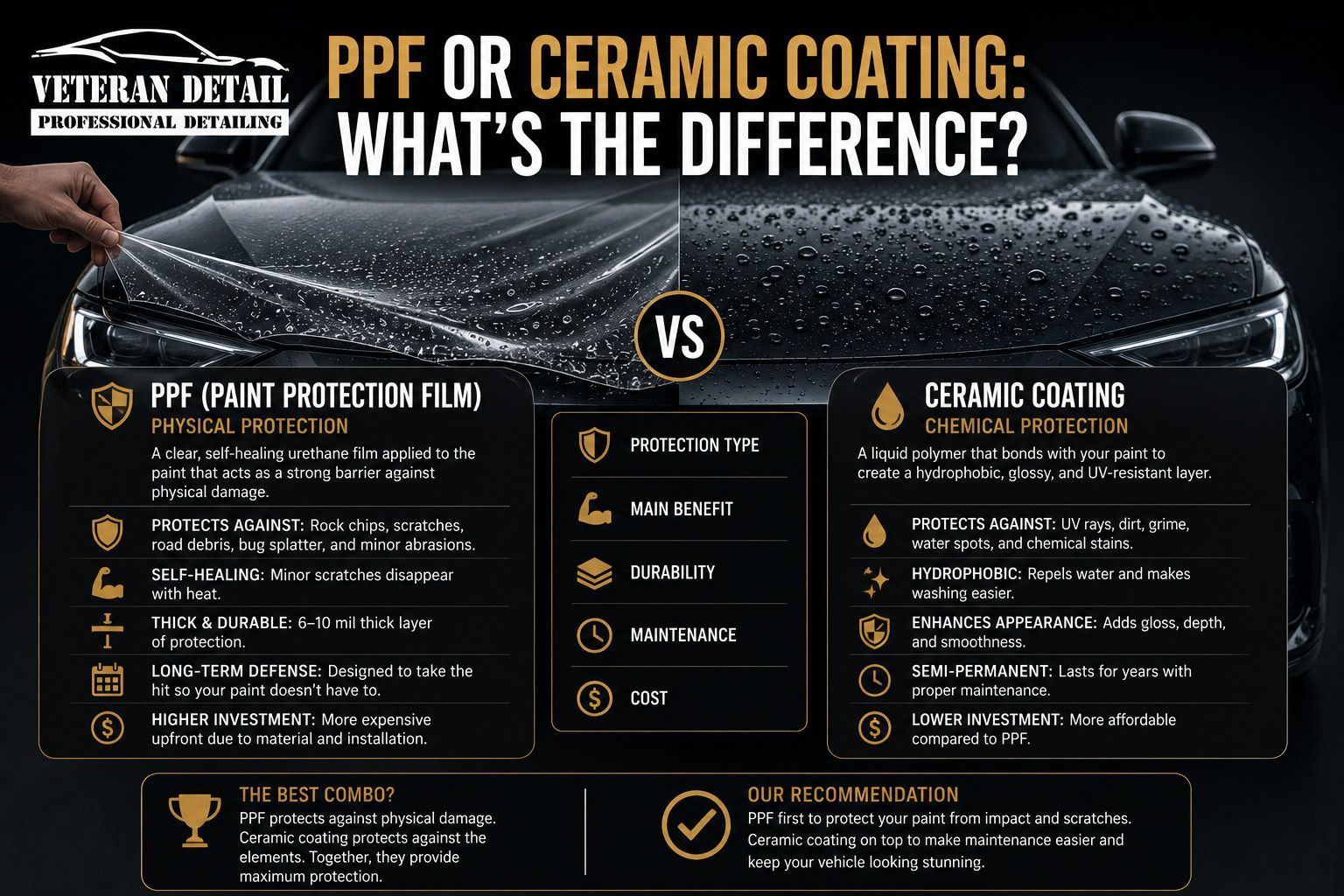
Not all PPF is the same material. The film market includes several quality tiers, from entry-level films with limited warranties to premium-grade products with 10-year manufacturer warranties, self-healing capabilities, and stain resistance. The film brand and quality grade directly affect both the upfront cost and the long-term performance of the installation.
The quality factors that distinguish premium film from budget alternatives include the following:
- Self-healing topcoat — premium films have a polyurethane top layer that allows minor scratches to disappear with heat exposure. Entry-level films do not have this feature.
- Optical clarity — high-quality film is nearly invisible on the paint surface. Lower-grade film may have a slightly visible edge or a subtle haze over time.
- Stain resistance — premium film resists yellowing from bug acids, mineral deposits, and UV exposure. Budget films often show discoloration within a few years.
- Manufacturer warranty length — quality films carry 7 to 10-year warranties against yellowing, cracking, bubbling, and delamination. Shorter warranty periods typically indicate a lower-grade product.
- Thickness and impact absorption — film thickness affects how much energy the film absorbs from rock strikes. Thicker, higher-quality film offers better chip resistance on high-speed highway driving.
Vehicle Complexity and Panel Shape
A flat hood on a full-size truck is a straightforward installation. The same square footage on a vehicle with deep curves, aggressive styling lines, compound angles, or complex panel shapes requires significantly more skill and time to install without lifting edges, creating tension points, or leaving visible seams.
Vehicle complexity affects PPF pricing in the Orem, UT and Utah Valley market for several reasons. Curved panels require film to be heated and stretched to conform to the surface without wrinkling or bridging—a technique that takes years to master. Aggressive body kit edges, side skirts, and aerodynamic panel designs create installation challenges that add labor time. Luxury and performance vehicles often have tighter panel gaps and more complex contours than mainstream vehicles. Custom cuts around mirrors, handles, and trim require precision work that can't be rushed.
As a general rule, European luxury vehicles, performance cars, and trucks with complex styling lines cost more to protect than mainstream sedans or SUVs with simpler panel geometry.
Paint Condition and Preparation Requirements
PPF should never be installed over damaged paint. Chips, scratches, oxidation, swirl marks, or contamination trapped beneath the film will be visible through the clear material and may worsen over time. Proper preparation before installation directly affects the cost because it adds real labor time—and skipping it produces a poor result.
Preparation steps that affect PPF pricing include the following:
- Surface decontamination — clay bar treatment removes bonded contaminants the wash step doesn't eliminate
- Paint correction — polishing to remove swirl marks, oxidation, or light scratches before film application
- Panel-specific chip repair — addressing existing damage before film is applied over it
- Edge and jamb cleaning — cleaning door jambs, hood edges, and trim areas where film terminates
Vehicles delivered in excellent paint condition require less preparation and cost less overall. Vehicles with neglected paint, previous poor detailing, or road damage require more work before film goes on. In American Fork, UT, Veteran Detail performs a paint assessment before quoting any PPF package to ensure the preparation scope is accurately reflected in the final price.
Frequently Asked Questions
Can I get PPF on just one panel instead of a full package?
Yes. Single-panel installations are available and practical for targeted protection—a hood that takes the most highway chip damage, or a door that repeatedly gets contact in a tight parking structure. Panel-by-panel pricing is typically higher per square foot than package pricing, but it's a valid approach for targeted needs.
Does the color of my vehicle affect PPF pricing?
Darker paint colors, particularly black, navy, and dark metallics, tend to show installation imperfections more readily than lighter colors. This can require more precision during installation and longer inspection time, but it doesn't typically add significantly to the cost. The more meaningful factor is vehicle geometry rather than paint color.
How long does a PPF installation take?
A partial front package on a straightforward vehicle can typically be completed in one to two days. A full vehicle wrap on a complex vehicle may take three to five days or more. Shops that promise full wraps in a single day are generally cutting corners on preparation, edge work, or both.
Is PPF pricing negotiable?
Reputable shops price PPF based on real costs: film material, labor time, and overhead. There is limited room to negotiate on the fundamentals without the shop reducing quality somewhere in the process. The better question is whether the quote accurately reflects the full scope of work, including preparation.
Will removing PPF later cost extra?
Professional PPF removal is an additional service, typically priced based on the scope of the original installation. High-quality film installed properly by a professional is significantly easier to remove without paint damage than lower-quality film or improperly installed film. This is another reason installation quality matters beyond the initial result.
Conclusion
PPF pricing is driven by coverage scope, film quality, vehicle complexity, and paint preparation requirements—four variables that interact differently on every job. The lowest quote doesn't always represent the best value when those variables aren't being fully addressed. Understanding what goes into a professional installation makes it easier to recognize when a quote is genuinely competitive versus when corners are being cut. Veteran Detail provides transparent quotes based on a real assessment of your vehicle, the coverage that makes sense for your driving habits, and film products backed by meaningful manufacturer warranties. Schedule a consultation to get a clear picture of what protecting your vehicle actually involves.