Why Cheap Window Tint Costs You More in the Long Run
August 2, 2026
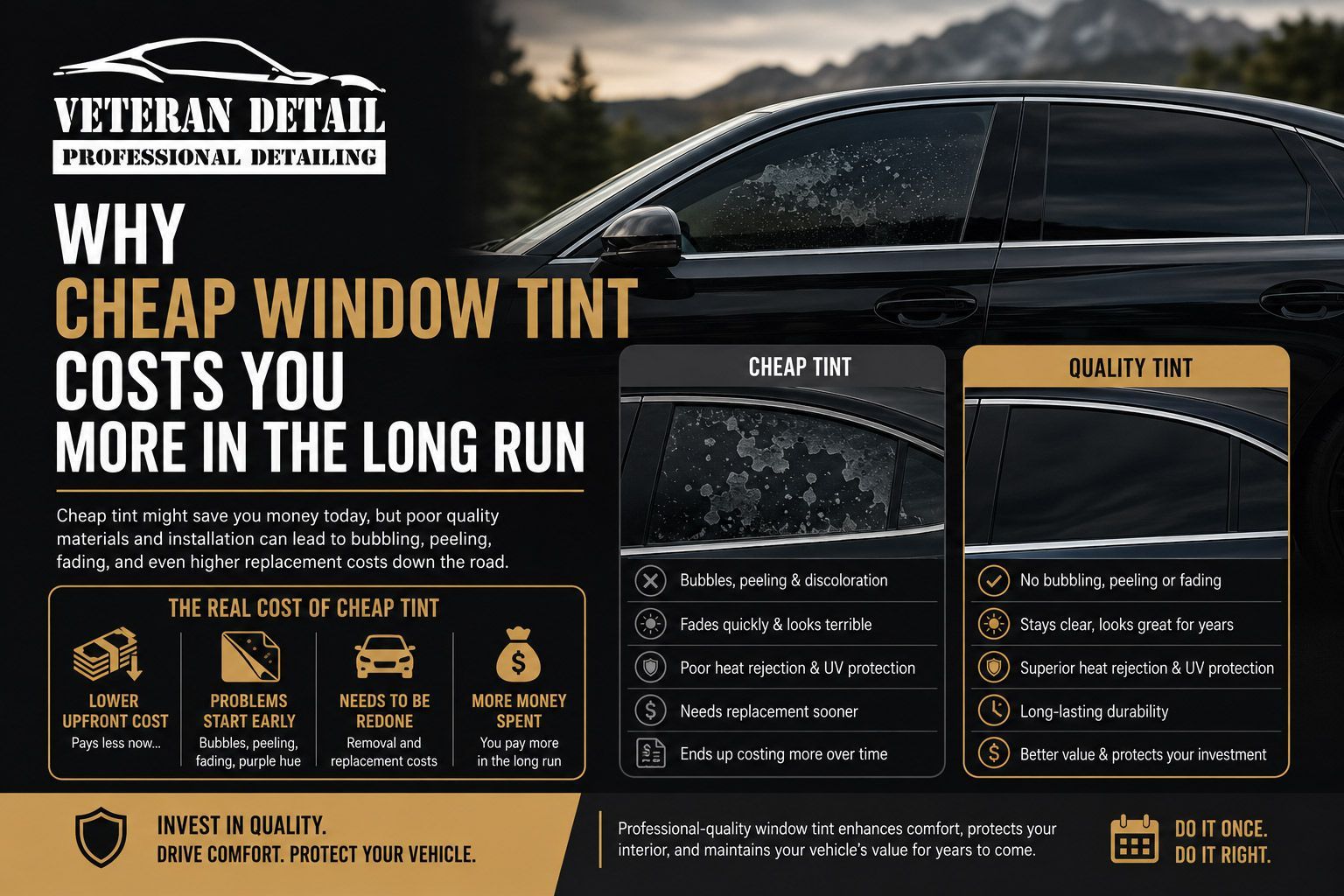
It's an easy calculation to make on the surface: a quick tint job for $99 gets you shade and privacy today, and you walk away with money left over. What the math doesn't include is what happens over the next 18 months—and what it costs to fix it. Cheap window tint doesn't just fail to perform as advertised. It creates problems that cost real money to undo, and in some cases, it causes damage that can't be fully reversed. Here's what actually happens when you go with the cheapest option.
How Cheap Tint Fails: The Timeline
Low-quality window tint follows a predictable failure pattern. Understanding the timeline helps explain why the upfront savings disappear quickly and why drivers in Provo, UT and throughout Utah Valley end up paying more in total than they would have with quality film installed correctly from the start.
The failure sequence for cheap window tint typically unfolds as follows:
- Months 1–3: Performance appears acceptable. Heat reduction is present but less effective than quality film. The tint looks clean and installed correctly.
- Months 4–8: Purple or brown discoloration begins, particularly in areas of direct sun exposure. This is dye-based tint degrading under UV—it cannot be reversed or repaired, only replaced.
- Months 8–18: Bubbling appears as the adhesive begins to fail. Bubbles start small at the edges and expand over the surface. Each bubble is a point where the film is separating from the glass.
- Months 18–36: Peeling begins. The film starts lifting at corners and edges, creating gaps in coverage and a visually damaged appearance. At this point, the tint is providing almost no functional benefit.
- Removal required: The film must be removed. Old, failed adhesive is significantly harder to remove than properly installed film. Removal of heavily failed tint can take hours and risks scratching glass or leaving adhesive residue.
The Hidden Costs That Add Up
The actual financial cost of cheap window tint goes well beyond the original installation fee. When you add up the real expenses involved in a cheap-tint-to-removal-to-reinstall cycle, the economics shift dramatically.
Here is a realistic breakdown of the costs you can expect from a low-quality tint installation:
- Original installation: $99–$200 for cheap tint applied without proper glass preparation or quality film
- Early replacement: Quality film installed correctly to replace failing cheap tint, $300–$700 depending on vehicle
- Removal of failed film: Old adhesive and bubble-damaged film removal, $75–$200 depending on condition
- Glass scratch repair: If removal was aggressive or improper, glass surface damage may require polishing, $100–$300
- Lost time: Multiple shop visits, waiting periods, and scheduling the replacement appointment
A driver who paid $150 for cheap tint and then spends $175 to remove it plus $500 for quality film has now spent $825 total—more than they would have paid for quality film in the first place. The cheap route added cost, not saved it.
What Cheap Tint Actually Does to Your Car
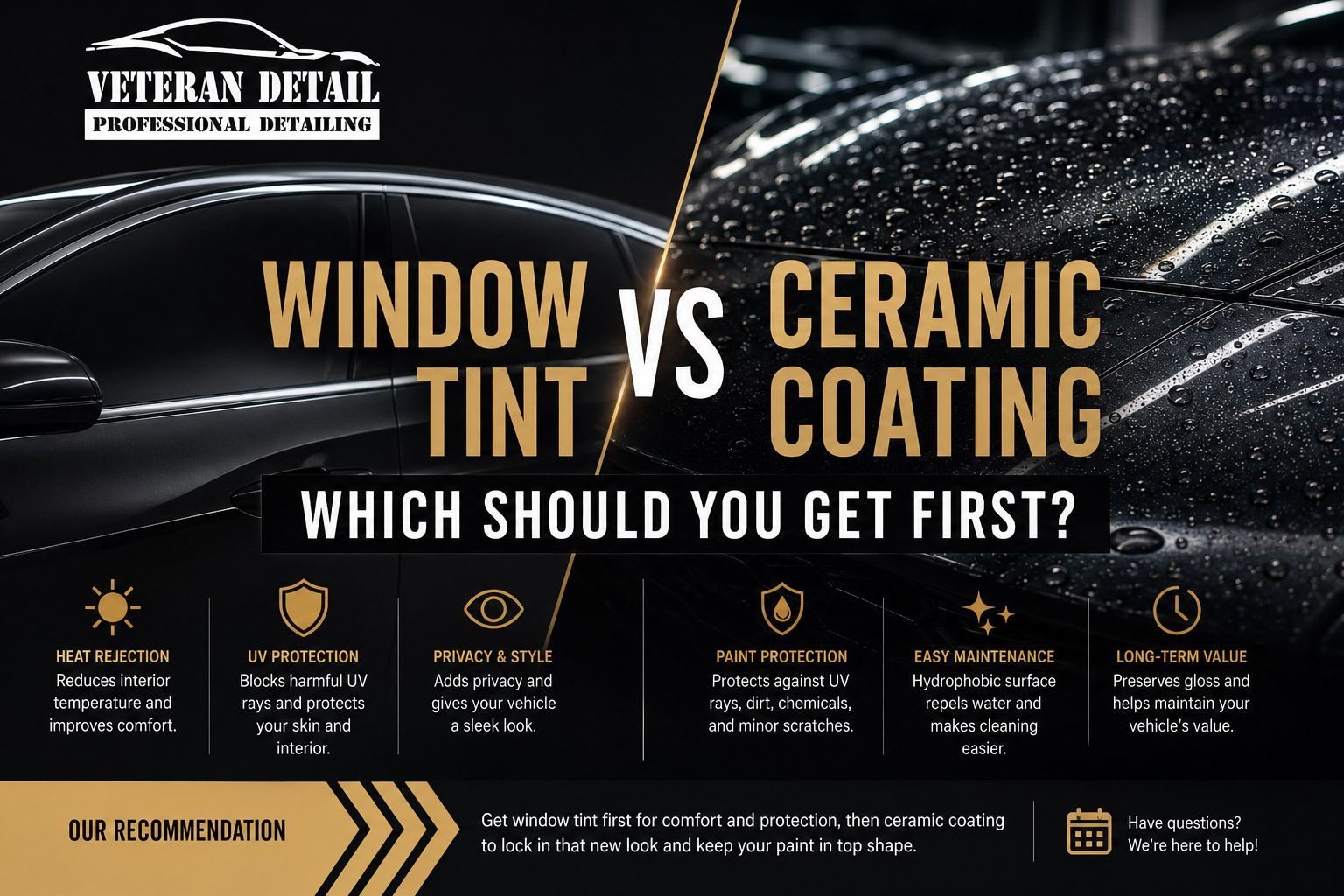
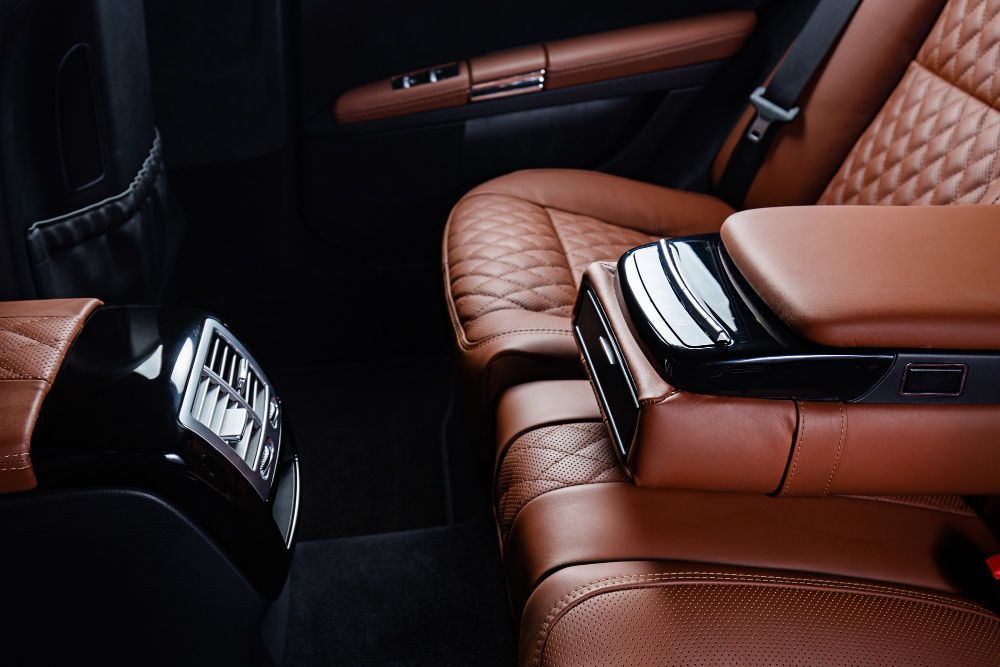
Beyond failing visually, low-quality window tint underperforms on every functional metric it's supposed to address. UV rejection in budget films is significantly lower than in quality ceramic or carbon-based films. This means your interior—leather, dashboard, fabric, and trim—continues to absorb UV radiation and degrade faster than it would under properly rated film.
Heat rejection is similarly compromised. In the American Fork, UT area where summer sun is intense and direct, the difference between a quality heat-rejection film and a budget dye film can be 20 to 40 degrees of cabin temperature in direct sunlight. Cheap tint that looks dark doesn't necessarily block heat—darkness is not the same as infrared rejection.
There's also the legal dimension. Utah's tint laws specify minimum visible light transmission percentages for different windows. Budget tint shops sometimes apply illegal darkness levels that can result in fix-it tickets. Removing and replacing illegal tint at the direction of law enforcement adds another unplanned cost.
What Professional Installation Actually Includes
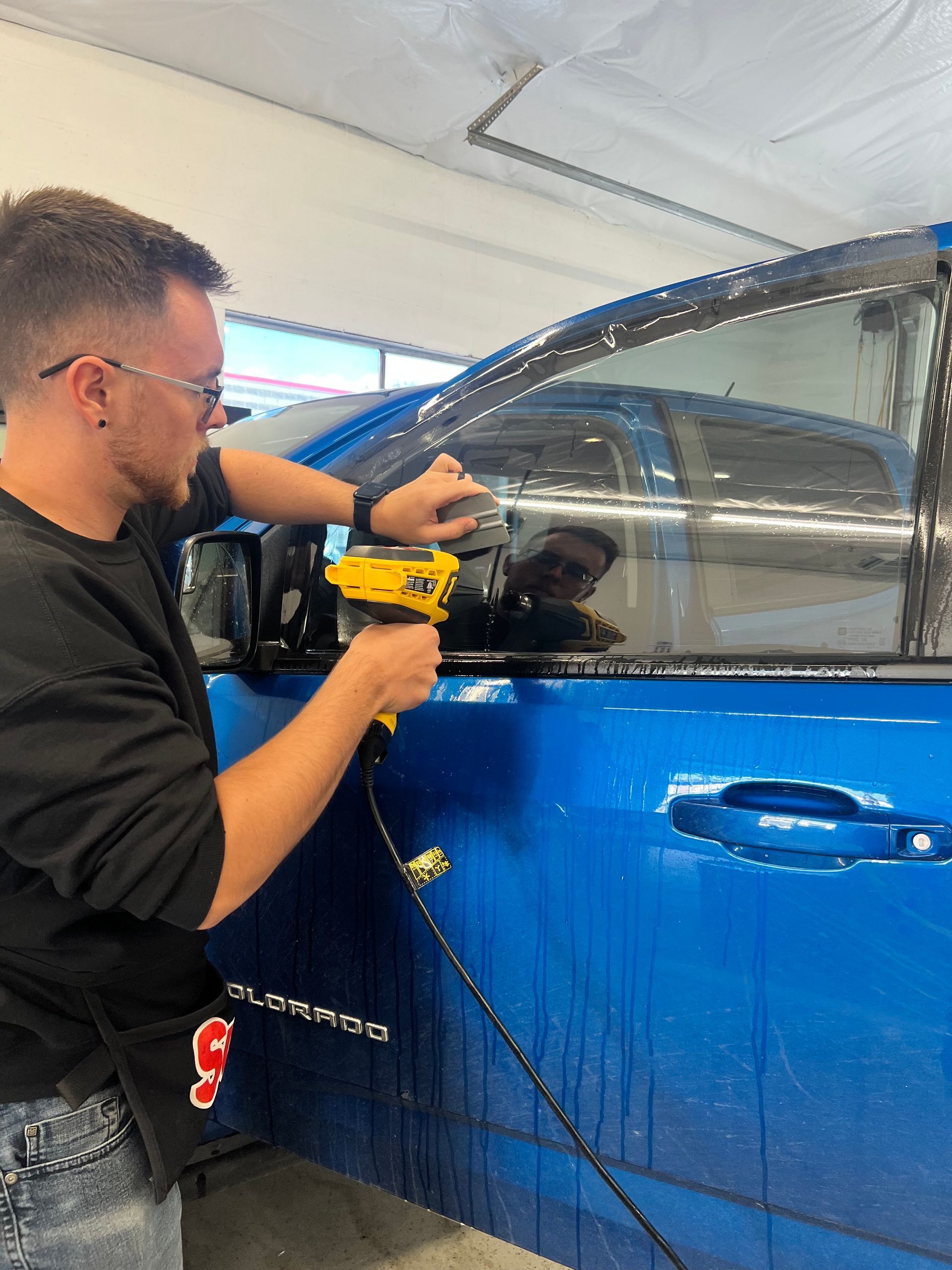
Quality window tint installations differ from budget jobs in both materials and process. Understanding what's included at a professional level helps clarify why the price difference exists and what you're actually getting for the additional investment.
A professional window tint installation at a reputable shop includes the following steps and standards:
- Glass surface preparation — thorough cleaning with proper glass-safe solutions to remove contaminants before film application
- Film quality — ceramic, carbon, or high-grade hybrid films with documented heat rejection, UV blocking, and optical clarity ratings
- Precision cutting — computer-cut or hand-cut film sized precisely to each window without visible gaps at the edges
- Controlled application — film applied in a clean environment free of dust, debris, and direct airflow that causes contamination under the film
- Edge sealing and inspection — film seated properly at all edges and inspected before the vehicle is released
- Cure period guidance — customer informed about the cure window (typically 3–7 days) before rolling windows down
Frequently Asked Questions
Can bubbles in window tint be fixed without removing the film?
Small bubbles that appear immediately after installation are often water bubbles that disappear during the cure period. Bubbles that appear after 30 or more days indicate adhesive failure and cannot be repaired by pushing or puncturing. The film must be removed and replaced.
How do I know if a window tint shop is using quality film?
Ask for the brand and product name of the film, then look up its published specifications for heat rejection percentage (TSER), UV rejection percentage, and warranty terms. Reputable film brands publish these figures. If a shop can't tell you the brand and product of what they're installing, that's a significant red flag.
Does window tint affect defrost lines on rear windows?
Professionally installed tint does not damage defrost lines when applied and removed correctly. Cheap tint installed with poor adhesive or removed aggressively can leave adhesive residue on defrost lines or, in rare cases, damage them. This is another reason professional installation and proper film removal matter.
Is ceramic window tint worth the premium over standard film?
In the Utah climate, yes. Ceramic window tint provides significantly higher infrared heat rejection without the darkness of traditional film, meaning it rejects more heat while maintaining lighter visible light transmission. For drivers who want substantial heat reduction without a dark appearance or who need to stay within legal VLT limits, ceramic film delivers more performance per dollar over its lifespan.
How long does quality window tint last?
High-grade ceramic or carbon window tint installed professionally typically lasts 10 years or more and is often backed by lifetime warranties from reputable manufacturers. This is in stark contrast to budget dye film, which commonly shows visible degradation within 1 to 3 years under Utah's UV exposure levels.
Conclusion
Cheap window tint is one of those purchases where the savings are front-loaded and the costs come later—often larger and more frustrating than expected. The film degrades, the adhesive fails, the removal is expensive, and you're back to square one having spent more in total than if you'd gone with quality installation from the start. For drivers in American Fork, UT and throughout Utah, the combination of intense UV exposure and summer heat makes film performance especially important—and makes the gap between cheap and quality film more consequential than it might be in a milder climate. Veteran Detail uses professional-grade film products installed in a controlled environment with attention to every edge and seal. Get it done right once, and you won't be scheduling a redo in 18 months.