Does PPF Increase Your Vehicle's Resale Value?
November 1, 2026
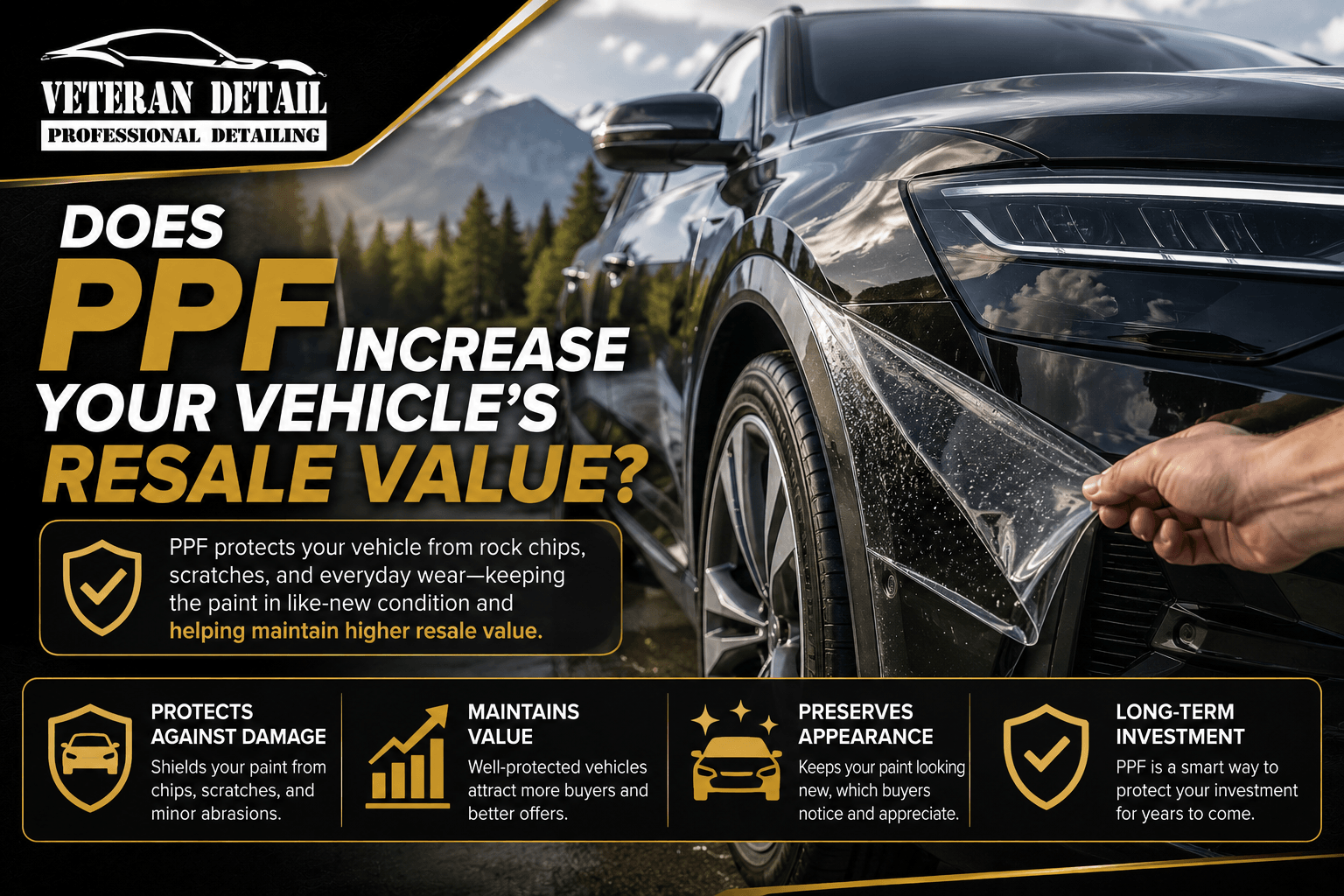
The Question Every PPF Buyer Eventually Asks
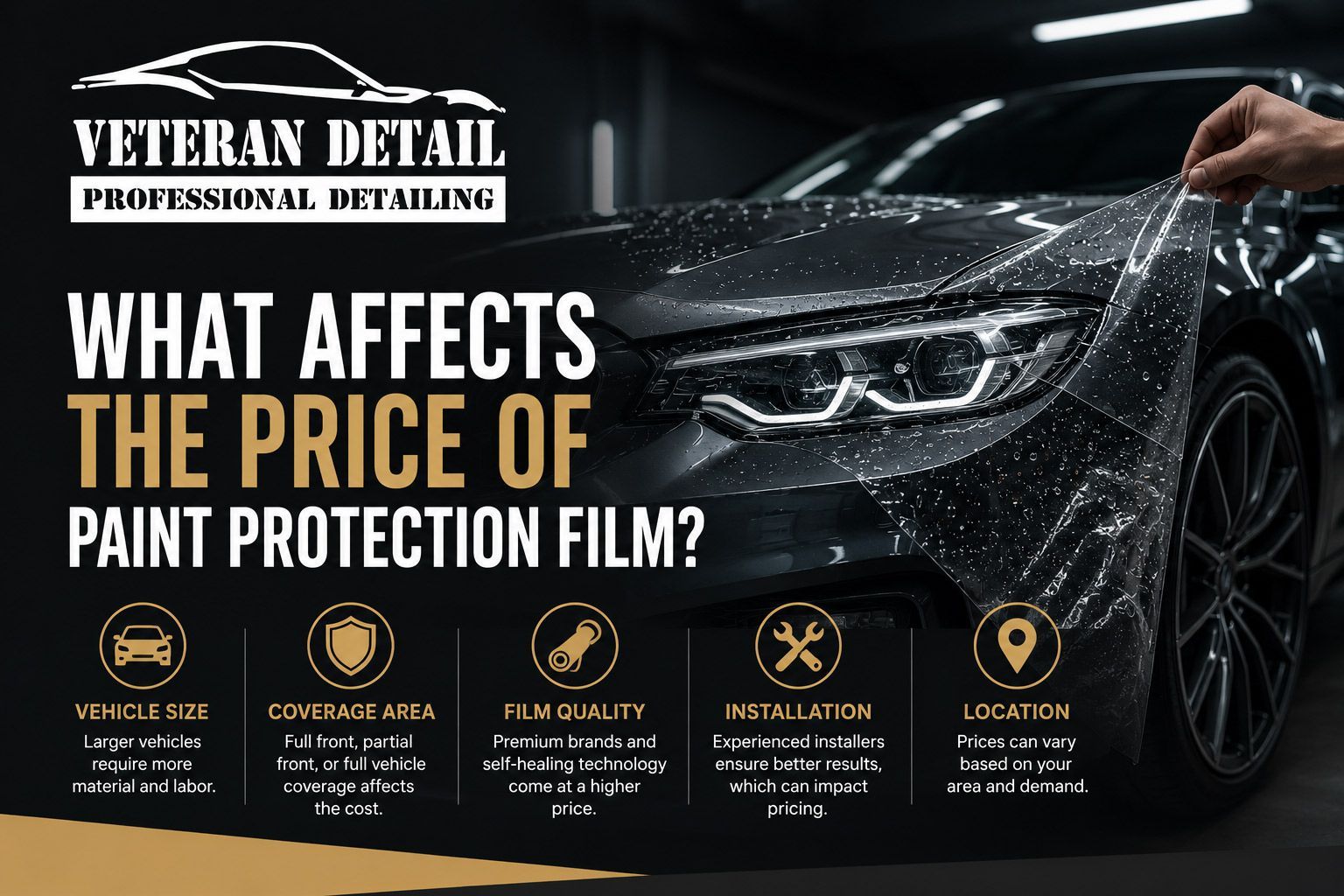
When you're spending $1,500 to $6,000 on paint protection film, it's reasonable to ask how much of that investment comes back when you sell. The answer isn't a simple yes or no — it depends on what PPF actually does to paint condition over time, how buyers and dealers evaluate it, and whether you're selling privately or trading to a dealer. Here's what the evidence and logic actually suggest.
How Paint Condition Affects Resale Value
Paint condition is the first thing a buyer evaluates — before service records, mechanical history, or features. Faded, chipped, or swirled paint signals neglect, even on a mechanically sound vehicle, and that perception directly reduces the offer. Dealerships apply this principle systematically.
When a trade-in arrives with paint damage, the reconditioning estimate comes directly off the offer. A vehicle with a chipped hood, oxidized panels, or swirl marks from years of automatic car washes will be offered less than a comparable vehicle in clean paint condition — sometimes by a margin that exceeds the cost of the protection that would have prevented it.
PPF's effect on resale value is rooted in what it prevents. A vehicle with factory paint preserved by PPF presents differently than one that has absorbed five years of highway chips, road grime, and Utah UV exposure without protection. That difference is visible in a 30-second walkaround, and it affects what people are willing to pay.
What PPF Prevents Over a Typical Ownership Period
The resale value case for PPF is a preservation argument, not an addition argument. PPF doesn't add value the way an upgraded audio system might. It prevents the loss of value that accumulates through paint degradation. Over a three-to-seven-year ownership period in the Highland, UT area and across northern Utah, an unprotected daily driver typically accumulates the following types of paint damage — each of which costs money to fix or simply reduces the offer at sale time.
- Rock chips on the front hood, bumper, and leading fenders — the most immediately visible damage in any buyer walkthrough, and the first thing a dealer's reconditioning estimate includes.
- Swirl marks from repeated washing and automatic car wash brushes — clearly visible in direct sunlight and a reliable signal of surface wear to any buyer who knows what to look for.
- UV oxidation on hoods and roofs — horizontal surfaces lose gloss and develop a chalky texture that either requires professional correction before sale or simply lowers the offer.
- Bug acid and environmental etching — permanent marks in the clear coat from prolonged contact with acidic contamination that washing doesn't remove.
- Abrasion around door handles and mirrors — subtle wear points that read as higher mileage regardless of the odometer reading.
A vehicle protected with quality PPF on high-impact areas enters the resale market without most of these issues. The factory paint beneath the film remains in protected condition, and the film itself can be removed before sale if desired, revealing paint that has seen minimal UV and zero rock chip exposure.
Which Buyers and Markets Value PPF Most
Buyer awareness of PPF has grown significantly, and the resale advantage shows up most clearly in three specific market segments.
Luxury and high-value vehicles command the strongest premium because buyers in those markets have the highest awareness of protection products and the highest expectations for paint condition. A PPF-protected Range Rover or Porsche in the used market stands apart from unprotected equivalents in ways buyers notice and pay for.
Performance and enthusiast vehicles attract buyers who specifically research PPF before purchasing. For these buyers, documented PPF is a feature, not an afterthought. It demonstrates that the previous owner cared about the vehicle and invested in maintaining its condition.
Trucks and full-size SUVs benefit because documented protection distinguishes a well-maintained example from the field in a used market where condition varies enormously. A truck with documented PPF and clean paint from Saratoga Springs, UT will stand out against comparable trucks that have taken five years of highway chips without protection.
The Damage-Avoidance Calculation
Whether PPF pays for itself at resale depends on how long you own the vehicle, how much highway driving you do, and whether you're selling privately or trading to a dealer. A precise calculation is difficult because the counterfactual is speculative. What is easier to calculate is what unprotected paint damage costs to fix or what it costs you in a dealer's reconditioning deduction.
Common reconditioning costs on a vehicle with moderate paint damage after five years of Utah driving include the following.
- Hood repaint or touch-up for chip accumulation: $400 to $1,200 depending on extent.
- Paint correction to address swirl marks before sale: $300 to $800.
- Front bumper repainting for heavy chip damage: $500 to $1,000.
- Dealer reconditioning deduction from trade-in offer: $500 to $2,500 or more on significantly damaged paint.
These are costs that PPF on the right panels prevents entirely. The avoided expenses represent real money retained at sale time, and for private sellers, documented PPF installation often justifies a higher asking price and provides a concrete answer to the inevitable question about paint condition.
Frequently Asked Questions
Should I remove PPF before selling?
Not necessarily. Film in good condition demonstrates protection history and gives the buyer the benefit of remaining film life. Aging, yellowing, or partially lifted film is better removed to reveal the preserved paint beneath. A professional installer can assess which approach makes more sense for your specific situation and film condition.
Does the PPF need to be documented to affect resale?
Documentation helps significantly. Receipts from the installing shop, photos of the installation, and the film warranty certificate give buyers confidence that the work was done professionally. Undocumented PPF is harder for a buyer to verify and may be discounted accordingly even when the film is in good condition.
Does PPF affect certified pre-owned inspections?
PPF is a reversible surface treatment and doesn't affect standard CPO inspections. CPO programs assess paint condition — PPF-protected paint in good condition supports a better assessment outcome. The film can be disclosed and left in place or removed before the inspection based on its current condition.
Is partial PPF coverage worth it for resale if I can't afford a full wrap?
Yes. A partial front package covering the hood, bumper, and leading fenders addresses the panels most likely to show damage at resale. Even partial coverage prevents the most visible and value-impacting paint damage without the cost of a full vehicle wrap, making it a practical and cost-effective approach for resale-focused owners.
How does PPF compare to ceramic coating for resale impact?
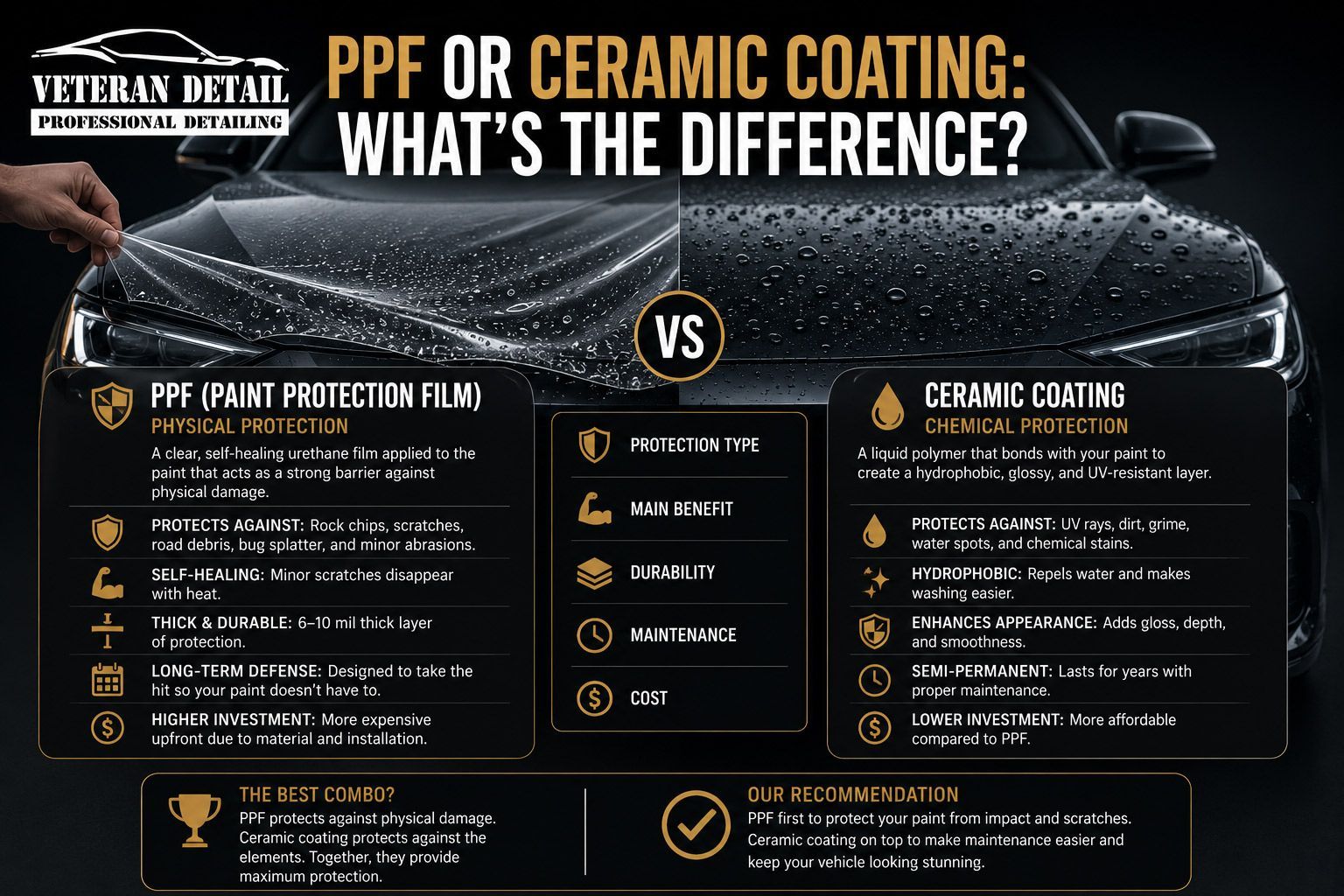
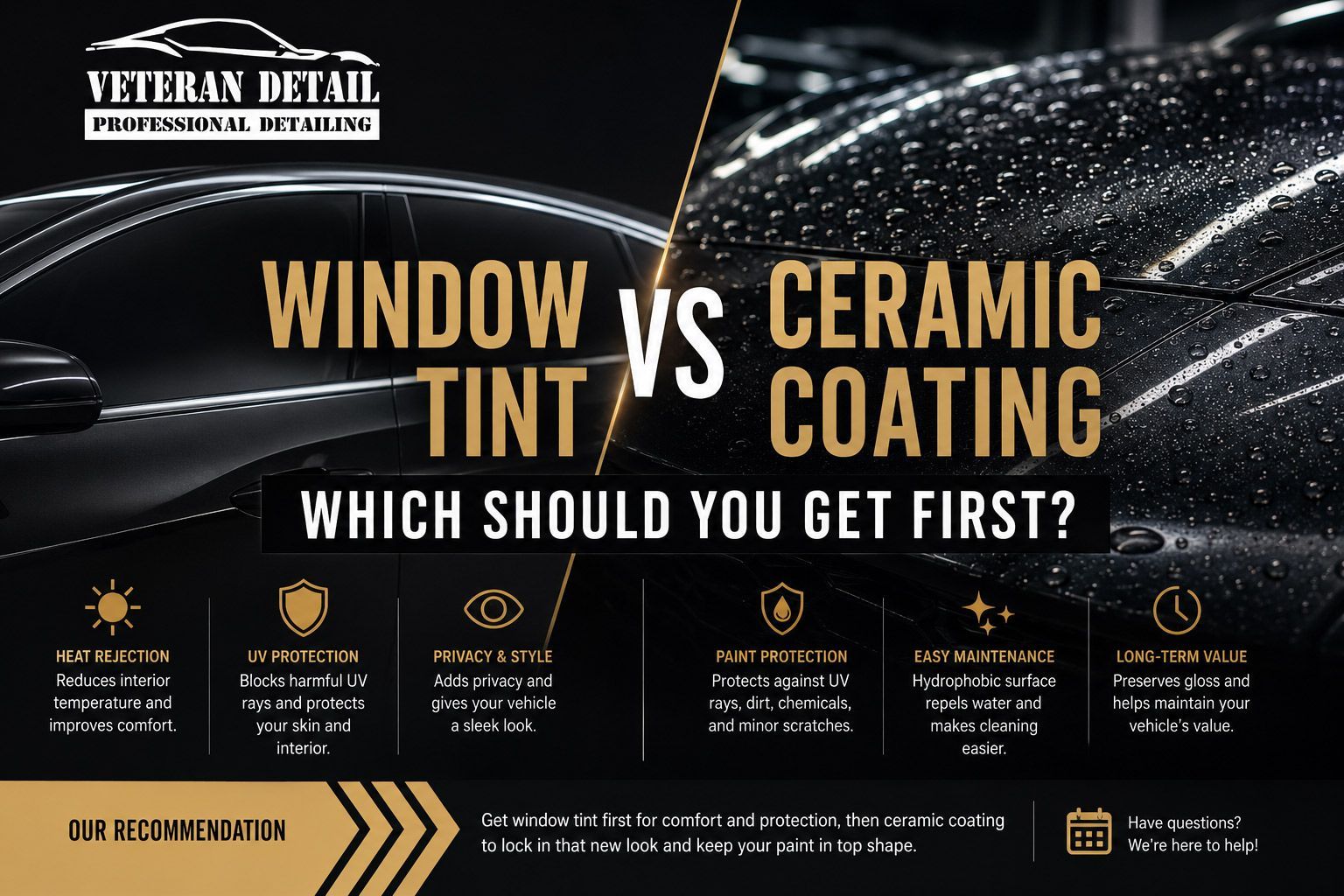
They work differently. PPF prevents the physical paint damage — chips and abrasion — that's immediately visible in a buyer walkthrough and drives most reconditioning deductions. Ceramic coating preserves gloss and cleanliness over time but doesn't stop chips. PPF typically has a more direct impact on the paint condition assessment that determines what a dealer or buyer offers.
Conclusion
PPF increases resale value by preventing the paint damage that reduces offers and triggers reconditioning deductions — not by adding something to the vehicle, but by preserving what's already there. The investment makes the most sense for owners planning to keep a vehicle for multiple years, driving it regularly on Utah highways and canyon roads where chip accumulation is unavoidable without protection. Veteran Detail installs paint protection film on daily drivers, trucks, and high-value vehicles throughout northern Utah. If you're planning to sell or trade in a vehicle in the next few years, protecting the paint now is one of the more practical steps you can take before that conversation happens.