Is Ceramic Coating Worth It Before a Utah Winter?
October 4, 2026
The Case for Coating Before the Snow Hits
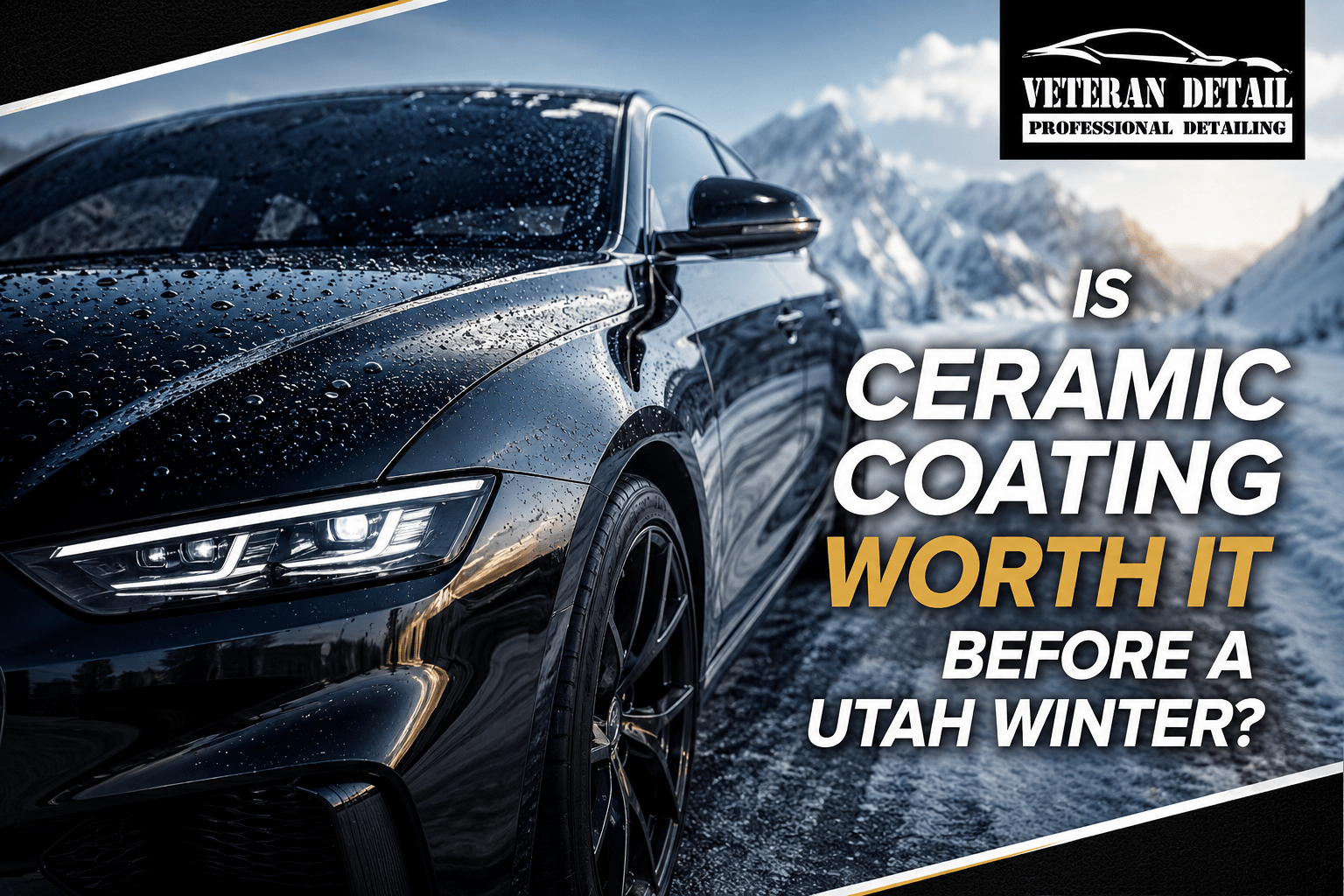
Most people treat ceramic coating as a warm-weather service — something you schedule in spring or summer, then enjoy through road trip season. That framing misses one of the strongest use cases for professional coating: getting your paint through a Utah winter in better shape than it went in. If you've been putting the appointment off until next year, here's what that delay actually costs your paint.
What a Utah Winter Actually Does to Unprotected Paint
Utah winters are sustained, chemically aggressive, and harder on paint than most drivers realize. The damage accumulates quietly from November through March, becoming visible only in spring when the evidence is already baked in. Four specific threats drive most of the harm.
Road Salt and Brine
UDOT treats highways with salt and liquid brine that bond aggressively to paint. Salt doesn't just sit on the surface — it works into panel gaps, lower body sections, and unprotected chips, where it accelerates oxidation and contributes to long-term corrosion. The cleaner you can keep salt off bare paint, the less damage it causes.
Sand and Abrasive Grit
Winter traction sand kicked up from roadways acts as fine abrasive media against paint at highway speeds. Each pass through grit-covered lanes deposits micro-scratches that individually are invisible but collectively create the hazy swirl pattern that becomes obvious in direct sunlight by spring.
Freeze-Thaw Cycling
Water carrying dissolved road chemicals seeps into existing surface imperfections, freezes, expands, and deepens the damage. Each freeze-thaw cycle worsens whatever was already there. A small chip in October becomes a larger chip by March, and an existing crack in the clear coat becomes a more significant defect.
Elevated UV and Snow Reflection
Utah's altitude keeps the UV index meaningful even in winter. Snow on the ground amplifies that exposure by reflecting UV upward onto horizontal surfaces — hoods, roofs, and trunk lids take UV from both above and below simultaneously. Unprotected paint oxidizes faster under these combined conditions than most drivers expect.
How Ceramic Coating Changes the Equation
Ceramic coating doesn't make paint invincible, but it changes what happens when road salt, grime, and chemical residue contact your vehicle. The hydrophobic chemistry that makes coated paint bead water also makes it significantly harder for contaminants to establish a bond with the surface.
When road salt lands on uncoated paint, it begins a chemical interaction with the clear coat immediately. On a coated surface, the same salt beads and sheds more readily during the next wash or rain event. This doesn't eliminate the need to wash a coated vehicle in winter — it reduces how aggressively contamination bonds and how difficult it is to remove when you do.
The UV protection built into ceramic coating matters year-round in Orem, UT and across the Wasatch Front. Paint that would begin showing haze or chalking after three unprotected Utah winters retains its gloss significantly longer with a quality coating in place. And because coated paint sheds mud, salt spray, and road grime more completely during washing, winter wash sessions are shorter and introduce fewer swirl marks from the process itself.
Pre-Winter vs. Post-Winter Coating: Which Timing Wins?
The timing decision comes down to a simple question: do you want protection in place before the season's damage accumulates, or do you want to clean up after it? The table below shows how the two approaches differ in practice.
| Coating Before Winter | Coating After Winter |
|---|---|
| Paint enters the season protected from day one | Paint absorbs a full winter of damage unprotected |
| Salt and grime shed more easily throughout | Road salt bonds directly to bare paint for 4+ months |
| Less correction needed — paint is still in good shape | Spring correction often required before coating can be applied |
| Lower total cost — less prep work at appointment time | Higher total cost — correction time adds to the scope |
| Cure period easily scheduled before first snowfall | Protection doesn't begin until after a spring appointment |
What to Expect at a Pre-Winter Appointment in American Fork, UT
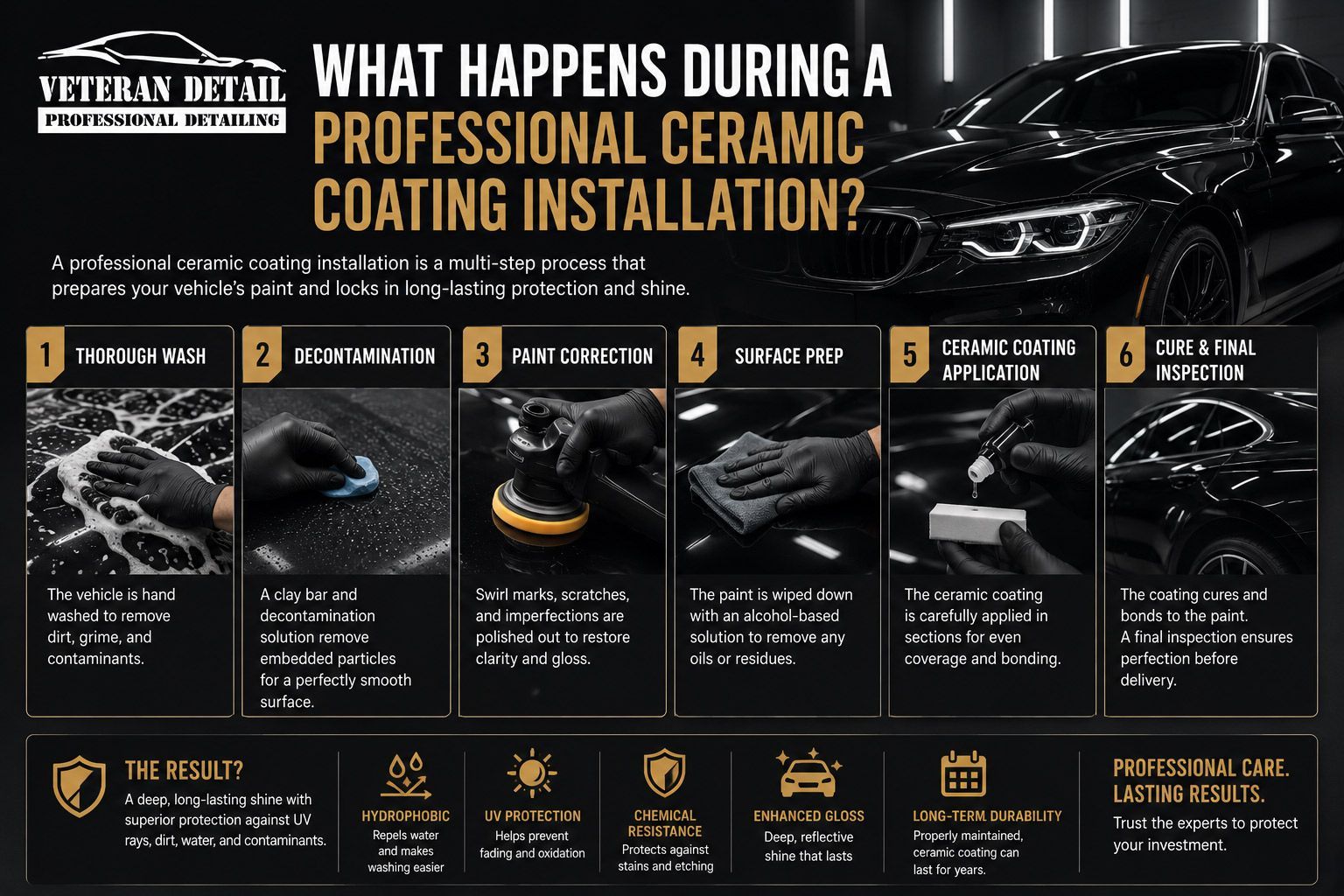
A pre-winter ceramic coating installation at a professional shop in American Fork, UT follows the same process as any time of year: full paint decontamination, correction as needed, coating application in a temperature-controlled environment, and a curing period before the vehicle goes back into regular use. The season doesn't change the process — but it does change the preparation scope.
A vehicle that's been maintained through spring and summer typically arrives in better paint condition than one that has already been through a winter without protection. That means less correction work, a shorter appointment, and a lower total cost. It also means the coating is locking in clean, corrected paint rather than sealing in damage the winter already left behind.
One scheduling detail worth noting: ceramic coating requires a curing period of 7 to 14 days during which the vehicle should avoid heavy water exposure. Booking the appointment before the first sustained snowfall gives the coating adequate cure time before the vehicle faces its first winter road conditions in Lehi, UT or anywhere along the Wasatch Front.
Frequently Asked Questions
Can ceramic coating be applied in cold weather?
Yes, when the shop has a temperature-controlled installation environment. Professional facilities maintain the surface temperature range the coating chemistry requires regardless of outdoor conditions. Consumer DIY kits are far more sensitive to cold because there's no environmental control — one more reason professional installation matters.
How many Utah winters will a professional ceramic coating last?
A properly applied professional-grade coating typically lasts 5 to 10 years, covering multiple Utah winters. Durability depends on the coating tier, the quality of the prep work, and how the vehicle is maintained afterward. Annual maintenance inspections help ensure hydrophobic performance stays at its peak.
Does ceramic coating prevent rock chips during winter driving?
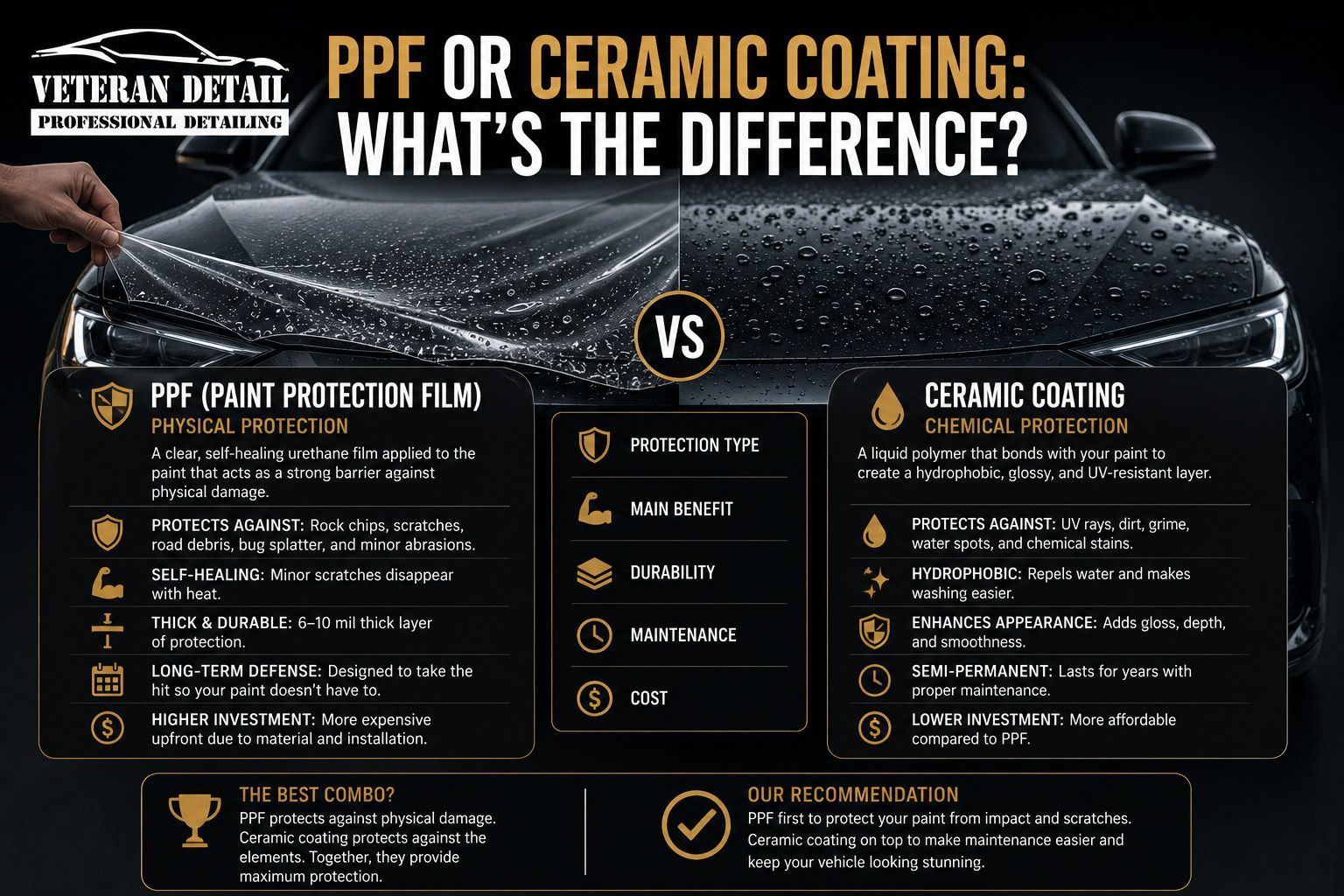
No. Ceramic coating adds surface chemistry protection but doesn't absorb physical impact. For chip protection on winter highway commutes, paint protection film on the front bumper, hood, and leading panels is the right product. PPF and ceramic coating address different threats and are frequently used together for comprehensive coverage.
Will road salt damage or degrade a ceramic coating?
Road salt doesn't chemically attack a properly cured professional ceramic coating the way it interacts with bare paint. The coating's surface chemistry resists the bonding that makes salt so difficult to remove from unprotected paint. Regular winter washing still matters — the coating makes removal easier, but it doesn't make washing optional.
What maintenance does a coated vehicle need during winter?
Regular washing to clear salt, grime, and chemical buildup before it accumulates. Use a pH-neutral soap and avoid automatic car washes with abrasive brushes, which can introduce micro-scratches even on coated paint. A contactless or careful hand wash approach preserves the coating's hydrophobic performance over its full lifespan.
Conclusion
The case for ceramic coating before a Utah winter is practical, not just preventive. It costs less, requires less correction, and means your paint is protected from the first snowfall rather than left exposed through the season and corrected after. Veteran Detail installs professional-grade ceramic coatings year-round at their American Fork, UT facility. Schedule your appointment before the snow arrives and your paint will thank you for it.